


Water-Based vs Oil-Based Paint: Which One Should You Choose?
The wrong paint can lead to peeling, poor durability, difficult maintenance, and unnecessary repainting costs.
For most homeowners, the comparison usually comes down to water-based paint and oil-based paint. Both are useful, but they are not meant for the same surface or same purpose.
If you are painting interior walls, ceilings, furniture, doors, windows, metal grills, or exterior surfaces, understanding the difference between water-based and oil-based paint can help you avoid wrong product selection.
This guide explains water-based vs oil-based paint in a simple way so you can choose the right option for your home interiors, furniture, and exterior applications.
What is water-based paint?
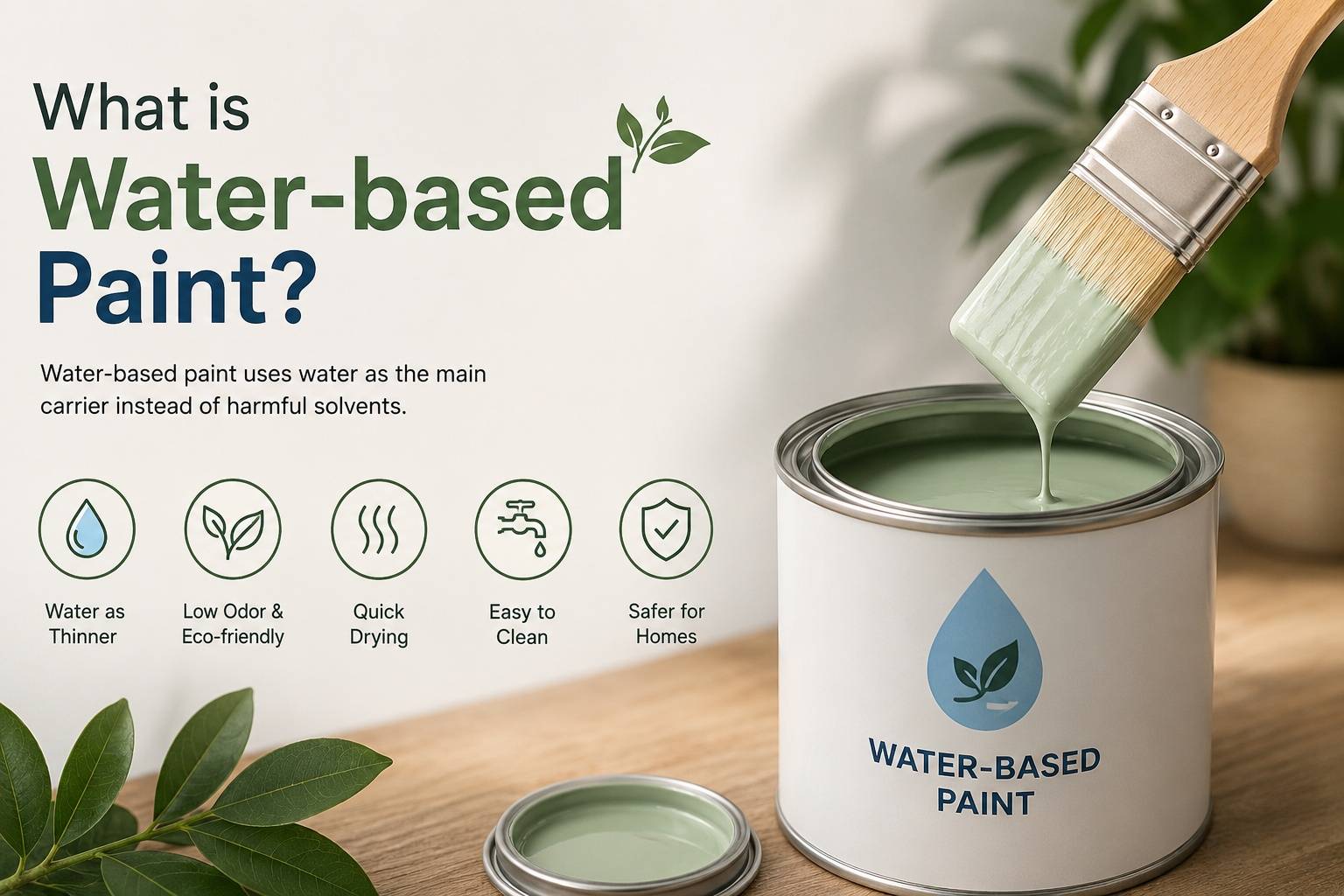
Water-based paint is a type of paint where water works as the main carrier. It usually contains pigments and binders suspended in water. Latex paint, acrylic paint, and emulsion paint are common types of water-based paints used in homes. Better Homes & Gardens explains that water-based paint has pigments and binders suspended in water and is often called latex paint.
This paint is widely used for interior wall paint, ceiling paint, and large wall surfaces because it dries faster and has lower odor compared to traditional solvent-based paints.
It is also easier to clean during application. Brushes, rollers, and small spills can usually be cleaned with water before the paint dries.
For modern homes, water-based paint for interior walls is a common choice because it is available in many finishes such as matte paint, satin paint, eggshell finish, and washable paint.
What is oil-based paint?
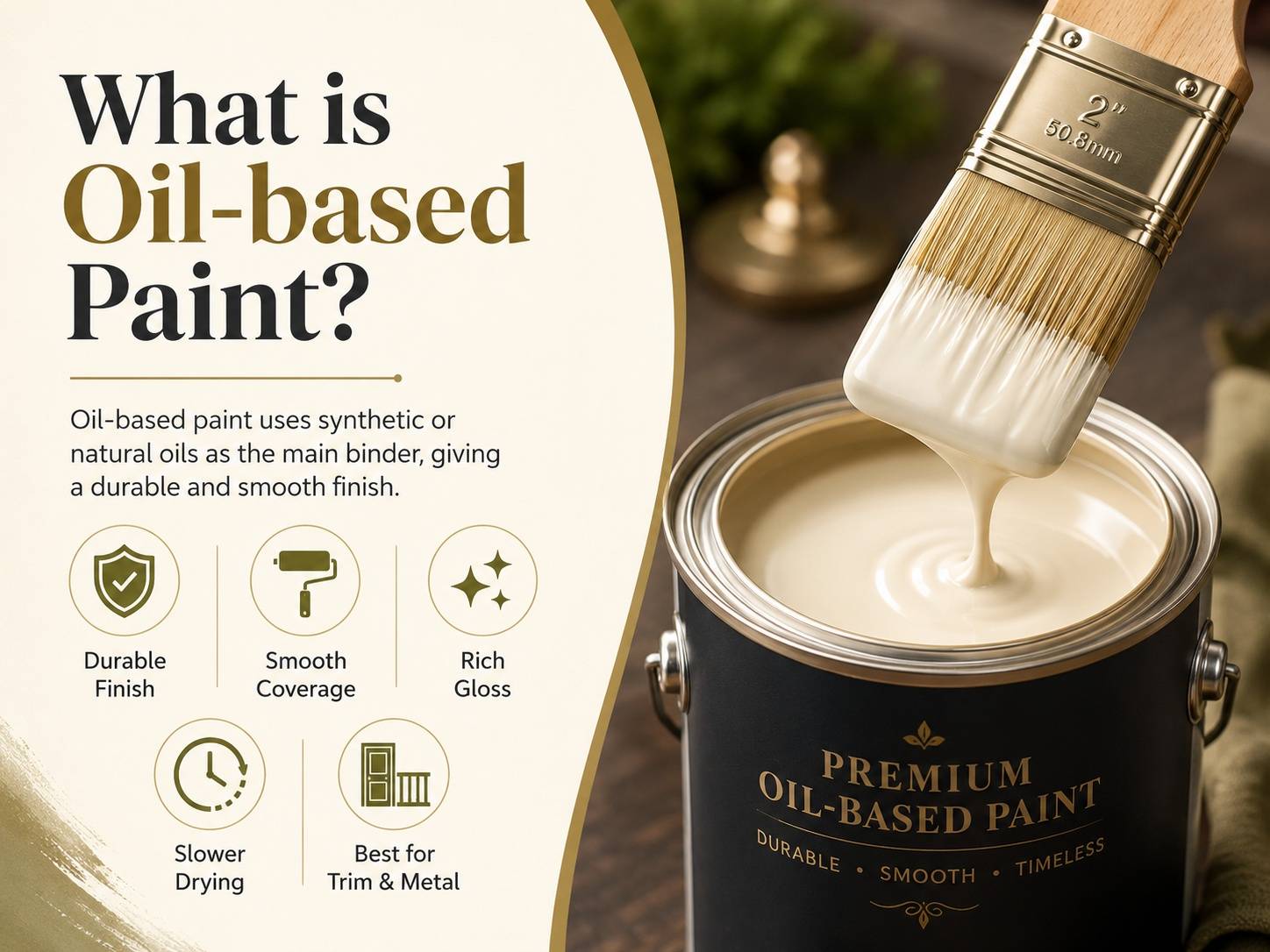
Oil-based paint is a paint type where the pigment is suspended in oil or solvent-based ingredients. It is often linked with enamel paint because it can create a smooth, hard, and glossy finish.
Better Homes & Gardens notes that oil-based paint consists of pigments suspended in oil, and linseed oil is commonly used as one base option.
Oil-based paint is often used on surfaces that need more hardness and protection. These include wood paint, metal paint, cabinet paint, furniture paint, and door and window paint.
It is also useful where a glossy or semi-gloss paint finish is required. However, it usually has stronger odor, longer drying time, and needs solvents such as thinner or mineral spirits for cleanup.
That is why oil-based paint for wood, metal, doors, trims, and furniture is more common than oil-based paint for full interior walls.
Why does this paint choice matter for home interiors?
Paint affects more than the look of your home. It also affects indoor comfort, air quality, maintenance, and how long the surface stays fresh.
The EPA explains that volatile organic compounds, also known as VOCs, are emitted as gases from certain solids or liquids. It also lists paints, paint strippers, and solvents among household products that can release VOCs indoors.
This is important for bedrooms, children’s rooms, living rooms, and occupied homes. A low VOC paint, eco-friendly paint, or odor-free paint can make the painting process more comfortable.
The paint choice also matters because every surface behaves differently. A wall needs good paint coverage and smooth appearance. A door needs better paint adhesion. A cabinet needs a scratch-resistant finish. Exterior wall paint needs weather and moisture resistance.
So, the best paint for home interiors depends on the surface, room usage, ventilation, finish, and maintenance needs.
Difference Between Water-Based and Oil-Based Paint paint types
The main difference in water based paint vs oil based paint is the base, drying behavior, odor, finish, and cleanup.
Water-based paint uses water as the carrier. It dries faster, has lower odor, and is easier to clean with water. It is more suitable for interior walls, ceilings, and large home surfaces.
Oil-based paint uses oil or solvent-based ingredients. It dries slower, has a stronger odor, and needs solvent cleanup. However, it usually gives a harder and smoother finish, which is useful for wood, metal, doors, cabinets, and furniture.
In short, water-based paint vs oil-based paint for walls usually favors water-based paint. But water-based paint vs oil-based paint for furniture depends on whether you need faster drying or a harder finish.
Water-Based vs Oil-Based Paint: Key Comparison
| Factor | Water-based Paint | Oil-based Paint |
|---|---|---|
| Drying Time | Faster drying and quicker recoating | Slower drying and longer recoating time |
| Odor | Lower odor | Stronger odor |
| Cleanup | Water cleanup | Needs solvent cleanup |
| Durability | Good for walls and ceilings | Better hardness for wood and metal |
| Finish | Matte paint, eggshell finish, satin paint, low-sheen options | Glossy, semi-gloss paint, smooth finish |
| Maintenance | Easier for walls | Durable but harder during application |
| Cost | Often practical for large areas | May cost more with thinner and labour time |
| Best Use | Interior walls, ceilings, exterior walls | Doors, windows, furniture, metal, trims |
Advantages & disadvantages of water-based & oil-based paint
Both paint types have strengths and limitations. Understanding these differences helps you choose the right paint based on the surface, finish, durability, drying time, and maintenance requirements.
Water-based paint advantages:
Water-based paint is popular for home walls and ceilings because it dries faster and has lower odor. Water-based paint drying time is usually shorter, so the second coat can often be applied sooner.
It is also easier to clean during painting. Brushes, rollers, and small spills can usually be cleaned with water before the paint dries.
Water-based paint is commonly used for:
- Interior wall paint
- Ceiling paint
- Acrylic paint
- Emulsion paint
- Latex paint
- Washable paint
- Moisture-resistant paint
- Mildew-resistant paint
- Low VOC paint
For walls, it gives practical paint coverage, easy maintenance, and many paint finish options such as matte paint, satin paint, and eggshell finish.
Water-based paint disadvantages:
Water-based paint disadvantages mainly appear on surfaces that need a harder finish. It may not give the same glossy and protective coating as oil-based enamel paint.
On wood, metal, cabinets, doors, trims, or furniture, it needs proper sanding, primer, and surface preparation. Without this, paint adhesion may become weak.
It can also perform poorly on damp, dusty, or damaged surfaces. Problems like paint peeling, paint cracking, and uneven finish often happen when the surface is not prepared properly.
Oil-based paint advantages:
Oil-based paint is useful when a surface needs a harder, smoother, and glossier finish. It works well on doors, windows, trims, cabinets, metal grills, railings, and furniture.
It also offers good paint durability, paint adhesion, and stain resistance on high-touch surfaces.
Oil-based paint is commonly used for:
- Oil-based paint for wood
- Metal paint
- Furniture paint
- Cabinet paint
- Door and window paint
- Trims and mouldings
- High-touch surfaces
For buyers who want gloss paint or semi-gloss paint on wood or metal, oil-based paint can be a practical choice.
Oil-based paint disadvantages:
Oil-based paint disadvantages include longer drying time, stronger odor, and difficult cleanup. Oil-based paint drying time is usually much longer than water-based paint and may need around 24 hours before recoating.
It also needs better ventilation because of the solvent smell. Cleaning brushes and rollers usually requires thinner, turpentine, mineral spirits, or other solvent-based cleaners.
Another issue is yellowing. Some white or light oil-based paints may turn yellow over time in low-light areas, especially on doors, cabinets, trims, and furniture.
Where should you use each paint?
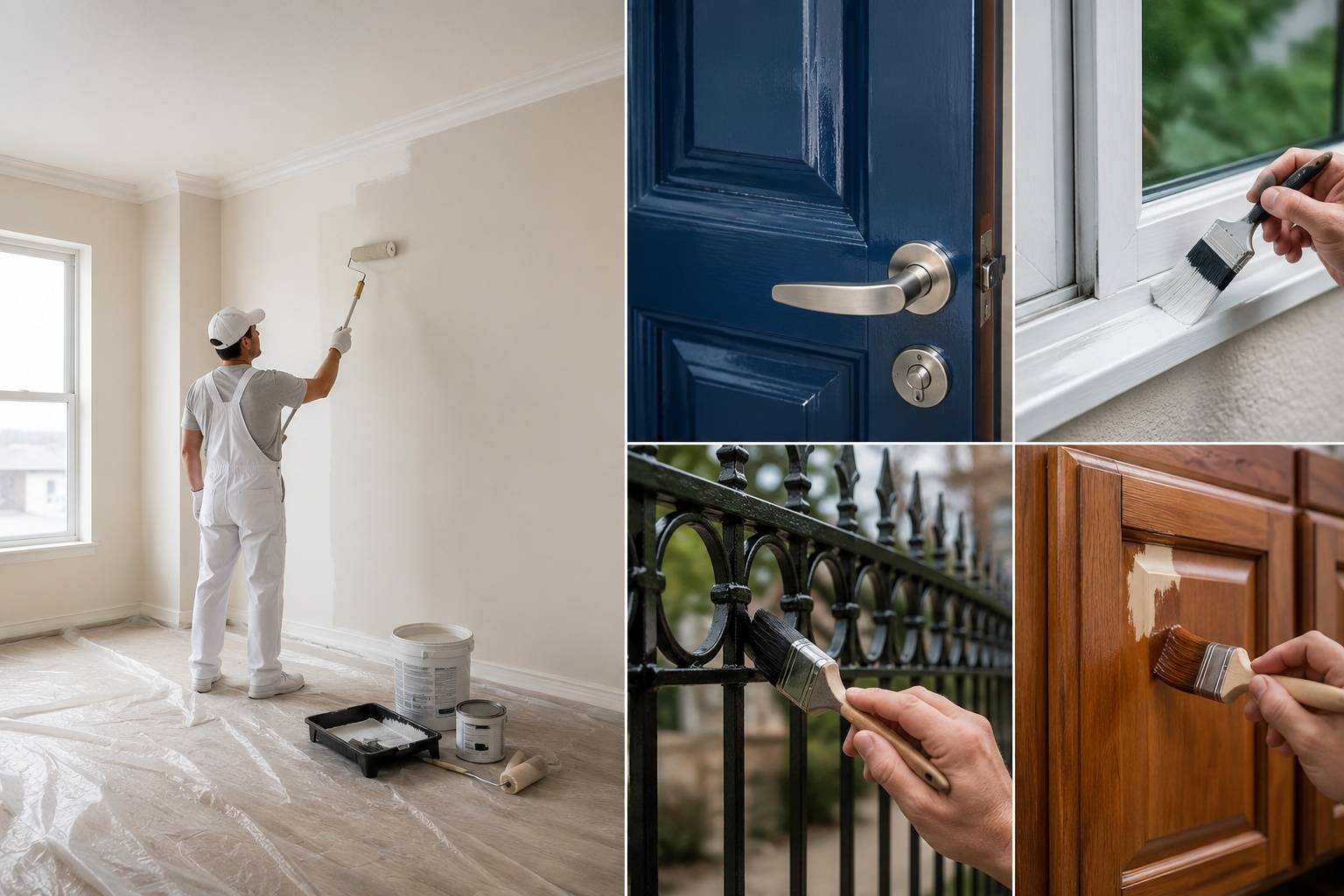
Where should you use water-based paint?
Water-based paint is best for large indoor areas where fast drying and low odor matter.
Use it for:
- Interior walls
- Bedroom walls
- Living room walls
- Ceiling paint
- Concrete paint
- Masonry paint
- Exterior wall paint
- Washable wall paint
- Low VOC home painting
For the best paint for walls, water-based emulsion paint or acrylic paint is usually preferred because it is easier to apply, dries faster, and is available in many finishes.
Where should you use oil-based paint?
Oil-based paint is useful for surfaces that need a harder finish.
Use it for:
- Wooden doors
- Window frames
- Metal grills
- Cabinets
- Furniture
- Trims and mouldings
- Railings
- High-touch surfaces
For oil-based paint for wood, proper sanding and primer are important. For metal paint, rust protection and primer should be checked before application.
How Tileswale Helps You Choose the Right Paint
Tileswale helps buyers explore and compare home improvement products in a more practical way. Instead of depending only on brand names, buyers can check product details, seller availability, pricing, and project suitability before making a decision.
For homeowners, contractors, dealers, and project buyers, Tileswale is a B2B and B2C marketplace where different product options can be discovered in one place. This makes the buying process easier, especially when users want to compare quality, budget, application needs, and supplier support.
Whether the requirement is for paints, tiles, bathware, sanitaryware, or other building materials, Tileswale helps buyers connect with relevant sellers and choose the right products with better clarity for home and project requirements.
Explore Premium Paint Collection
Conclusion
There is no single winner in water-based vs oil-based paint. Both paint types are useful, but they are made for different needs.
Choose water-based paint if you want fast drying, low odor, easy cleanup, low VOC options, and a practical finish for interior walls, ceilings, and large home surfaces.
Choose oil-based paint if you need a harder, smoother, glossier finish for wooden doors, windows, cabinets, furniture, trims, and metal surfaces.
For most homes, the best solution is often a mix. Use water-based paint for walls and ceilings, and use oil-based paint or enamel paint for selected wood, metal, furniture, and high-touch areas.
FAQs
1. What is the difference between water-based and oil-based paint?
Water-based paint uses water as the main carrier and dries faster. Oil-based paint uses oil or solvent-based ingredients and usually gives a harder, glossier finish.
2. Which paint is better water based or oil based?
Water-based paint is better for most interior walls and ceilings. Oil-based paint is better for wood, metal, doors, trims, cabinets, and furniture where a harder finish is needed.
3. Is water-based paint good for interior walls?
Yes. Water-based paint for interior walls is commonly used because it dries faster, has lower odor, is easier to clean, and is available in many finishes.
4. Is oil-based paint good for wood?
Yes. Oil-based paint for wood can work well on doors, windows, trims, cabinets, and furniture because it creates a smooth and durable coating.
5. Which paint dries faster?
Water-based paint drying time is usually shorter. Oil-based paint drying time is longer and may require more time before recoating.
6. Which paint is better for home interiors?
For the best paint for home interiors, water-based paint is usually better for walls and ceilings. Oil-based paint is useful for selected wood, metal, and furniture surfaces.


Written By
Anand Bhoraniya
Research Specialist at Tileswale
Anand Boraniya is an Industry Specialist and Researcher at Tileswale, creating research-backed content that helps homeowners, architects, dealers, manufacturers, exporters, and importers make informed decisions. His articles provide valuable industry insights, market trends, and practical knowledge to help readers stay ahead in a rapidly evolving market.