


Slip Resistance Ratings R9-R13: Best Flooring Uses
If you’ve ever done a surprise pirouette in your socks across a glossy floor, you’ve danced the dangerous waltz of low slip resistance. Let’s face it, floors are for walking, not skating. That’s where slip resistance ratings enter stage left, ensuring your daily footwork doesn’t turn into an accidental ice-capade.
Whether you’re outfitting your chic café, revamping your grandmother’s bathroom, or choosing flooring for your dog's spa (yes, that’s a thing now), understanding how slippery a surface is can quite literally save your neck. In this blog, we’ll demystify the tile slip rating system, explore its application in various flooring types (tiles and beyond), and help you make flooring choices that are both stylish and safe.
The Slip Scale: What is the R9-R13 About?
The slip resistance scale, often measured with R ratings (R for 'rutschhemmung' - German for slip resistance), tells us just how grippy or slippy a floor surface will be, especially underfoot with shoes.
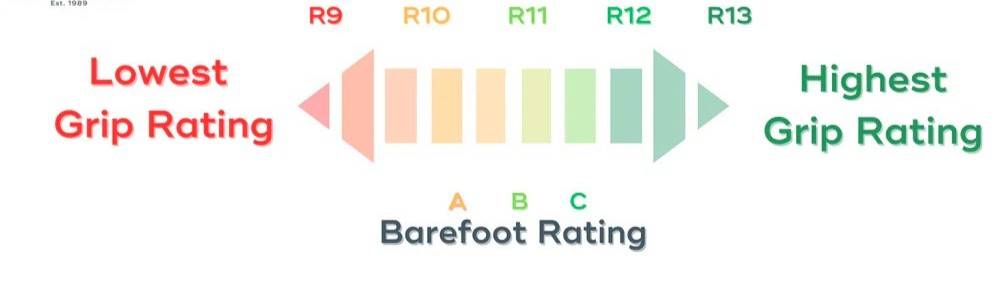
The R-values are between R9 to R13. Think of it as a scale where R9 is the polished marble hallway in a luxury hotel (beautiful but treacherous) and R13 is the gritty kitchen floor of a five-star restaurant (not glamorous, but nobody’s falling).
This is how the breakdown goes:
-
R9 slip rating: Slight slip resistance. An excellent choice of dry interior spaces where glamour rules and water pays only an occasional visit.
-
R10 slip rating: Moderate resistance. A good general domestic performer, particularly in those situations where spillage might occasionally be a problem.
-
R11 slip rating: High slip resistance. These are recommended in wet rooms such as laundry rooms, bathrooms and in busy kitchens.
-
R12 and R13: grip is industrial-grade. If you’re dealing with oily surfaces, steep ramps, or slippery hellscapes, R13 slip rating tiles are your safest bet.
These ratings are based on tests like the COF rating tile (Coefficient of Friction) and tile DCOF rating (Dynamic Coefficient of Friction), especially relevant in the U.S.
But what does it have to do with your space?
Matching Ratings with Real-Life Rooms: Where Does Each R Fit?
Slippery floors are prerogative of the lame only. Every room and every surface has its own ideal slip rating based on its use.
Take R9 slip resistance, for example. It was designed to be used in the living room, the bedroom and in relaxed areas with water as a more of a guest actor rather than a regular one. You’ll find R9 slip rating tiles in polished finishes, great for achieving that magazine cover aesthetic. Yet, you have a warning: too much mopping, and you may get yourself doing some unscheduled yoga.
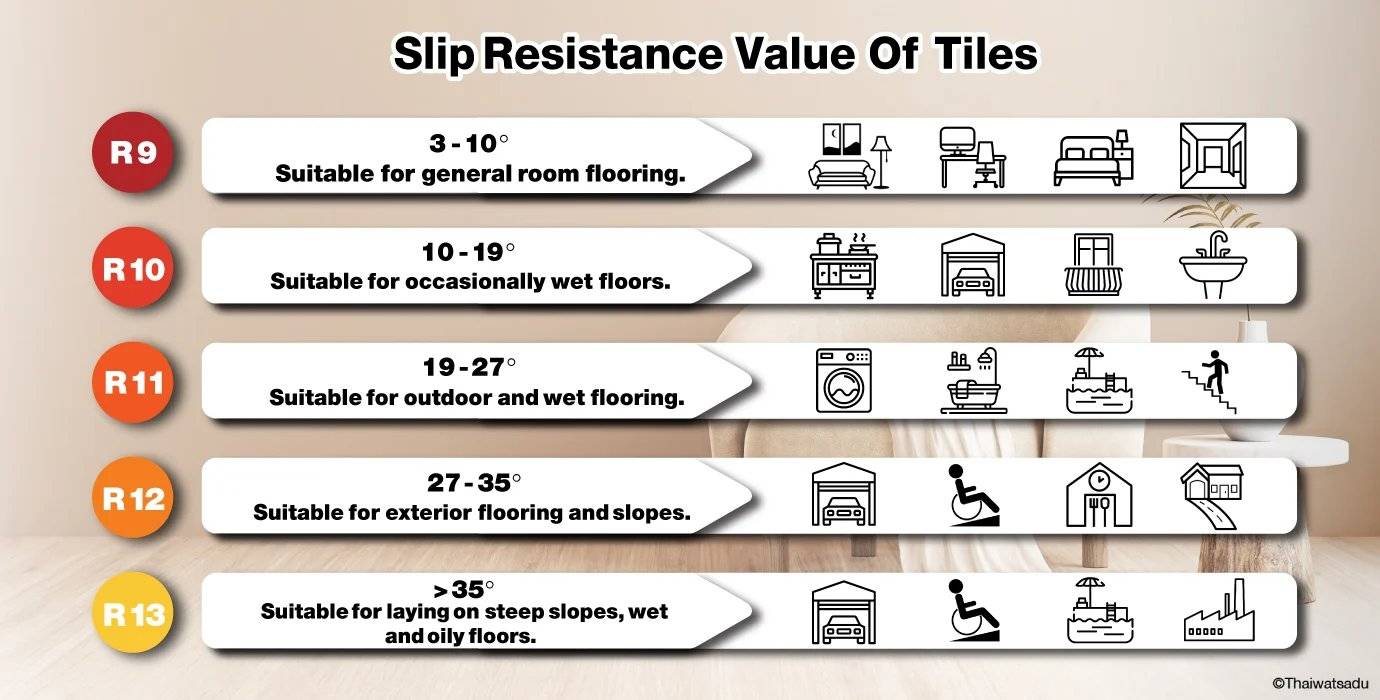
Now, r10 slip rating steps it up. Even a little stickier but still posh, this is another score that will work well on entryways, bathrooms, and interior dining spaces. It strikes a balance between being beautiful and smart.
Slip resistance R11 is where practicality starts to dominate. This degree of traction is required in kitchens, mudrooms, laundry rooms and semi-outdoor areas. You will appreciate your floors when the winter rains occur or when you have that great spill of soup in 2025.
For those building commercial kitchens, parking ramps, or poolside walkways, R12 slip rating tiles and R13 slip rating tiles are non-negotiable. These are getters of work. Instead of a shine like as it had been laid with marble, the grip is like they thought their lives were in danger, so was yours.
The Tile Terrain: What Slips and What Sticks?
Every flooring is not equal. Whether it was porcelain or rubber none of this type interacted at the same spot on the R-scale.
Porcelain tiles are the golden child of modern flooring, durable, diverse, and capable of hitting almost every tile slip rating. Porcelain will come in R9 through to R13, finishing when the surface is treated. Polished porcelain? Likely R9. Roughed up or matte? You’re heading into R11 slip rating territory or beyond.
Ceramic tiles are a bit like porcelain as well but they normally max at about R10, or R11. They’re best for interiors, especially with a good tile anti slip rating applied. If you're eyeing ceramic for a bath, go for a matte or anti-skid option.
Vitrified tiles those dense, high-gloss beauties, can be a little tricky. Great for living areas, but most hover around R9 slip resistance. You can find special textures for better grip, but these are the exception, not the rule.
Quarry tiles, on the other hand, are a dream for slip resistance. Often, R12 slip-resistant tiles or more are used; they are common in restaurant kitchens and industrial spaces. Their unglazed, rough texture isn’t just rustic, it’s purposeful.
Beyond Tiles: The Other Slippery Contenders
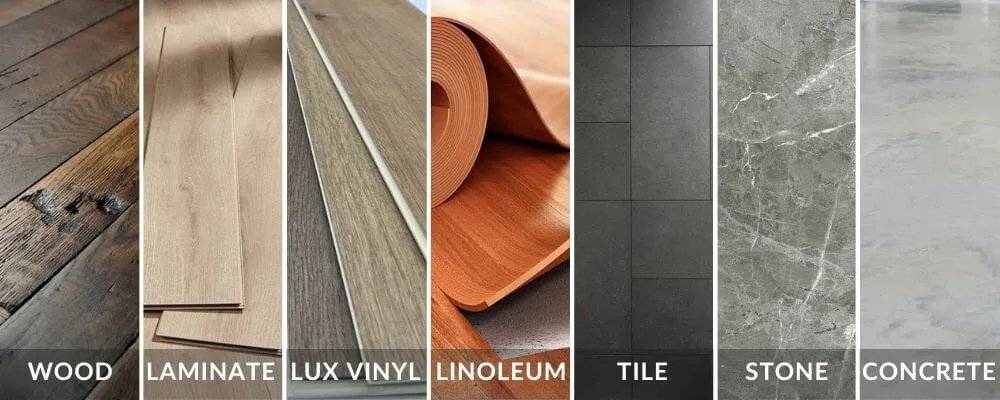
Now, tiles may dominate Pinterest boards, but they’re not the only players in the flooring game.
Natural stone (like slate, granite, and limestone) can range widely depending on finish. Polished stone is generally r9 slip rating, while flamed or textured finishes can boost resistance to R11 or R12 levels.
Cement flooring is making a comeback and it’s no longer just for warehouses. A textured concrete floor can provide excellent slip resistance, especially when sealed with matte or grit-enhanced coatings.
Vinyl flooring, especially luxury vinyl tiles (LVT), balances softness with grip. It usually lands around a R10 slip rating, making it a favorite for households with kids, pets, or dancing adults.
Rubber flooring is the champion of anti-slip. Gym floors, commercial spaces, and high-risk zones swear by it. Often scoring around R12 - R13, it’s a must for accessibility-conscious design.
SPC flooring (Stone Plastic Composite) is another rising star. Tough, water-resistant, and reasonably slip-safe, it often meets anti-slip rating standards for kitchens and bathrooms, sitting around R10 - R11.
WPC flooring (Wood Plastic Composite) is softer underfoot, and while it doesn’t top the R-chart, it maintains good slip resistance in residential settings, usually r10 slip rating or so.
The Subtle Science of Slip Style
Now, let’s talk design. Because no one wants to trade safety for style.
Can a tile anti slip rating be chic? Absolutely. It’s all in the texture, color, and layout. For example, a matte-finish R11 slip rating porcelain tile with a natural stone effect looks sophisticated while protecting your guests from embarrassing spills.
For outdoor patios or pool decks, going with r12 slip rating tiles in earth tones gives both rustic charm and performance. Indoors, go for textured LVT or wood-finish porcelain tiles with at least an r10 slip rating.
Remember: glossy = slippery. Rough = reliable. And textured = trendy.
DCOF vs R-Rating: A Quick Geography Lesson
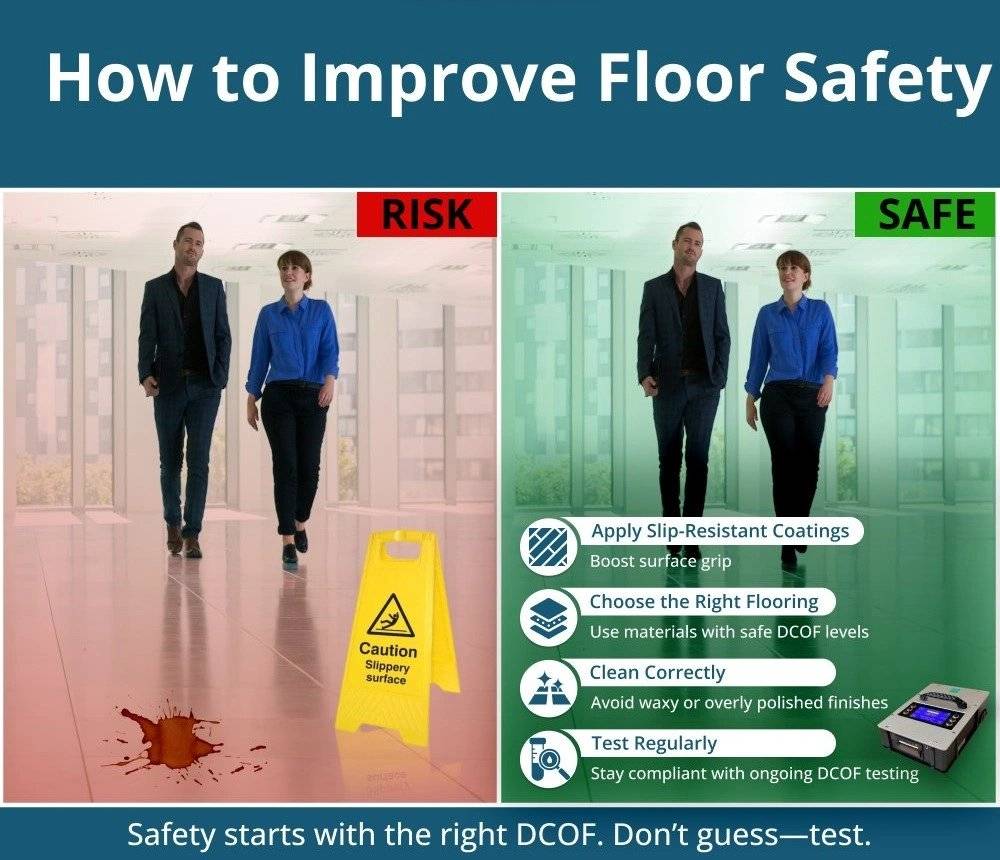
European tile manufacturers love their R-ratings. But in the U.S., we lean more on the DCOF or Dynamic Coefficient of Friction system. It measures the slip potential under dynamic (moving) conditions, unlike static COF.
A tile DCOF rating of 0.42 or higher is considered safe for commercial environments in the U.S. While this isn’t a direct translation from R-values, here’s a general idea:
-
R9 = DCOF < 0.42
-
R10–R11 = DCOF ~ 0.42–0.52
-
R12–R13 = DCOF > 0.52
So whether you're shopping local or global, understanding both systems helps you find flooring that meets the safety codes, without compromising your aesthetic.
Keep It Grippy: Maintenance Tips for Non-Slip Flooring
The funny thing about non slip floors is that they are slippery when polished up. Ironic, huh?
The deal is this; excess wax or polishing? Slippery fall-risk. Dirty build-up? Same problem. Maintaining the anti slip rating of your flooring means cleaning with care.
Apply pH neutral cleaners, do not use high gloss paint in high trafficked areas, and reapply protective coating where possible. Even the most textured r13 slip rating tiles will let you down if they’re gunked up with grime.
Check Out Before You Slip: Why Tileswale is Your Flooring BFF
Still not sure which tile slip rating works for your sunroom or startup office? That is where Tileswale springs up.

Tileswale allows you to see various slip-rated tiles in your real area. Not only can you browse by slip resistance ratings, but you can also compare prices, check finishes, and see design inspiration that doesn’t sacrifice function for form.
Need help deciphering tile DCOF rating vs R-values? Tileswale breaks it down in plain English (or Hindi, Gujarati, or whatever suits you best).
From r9 slip resistance elegance to r13 slip rating tiles toughness, you’ll find exactly what your space (and feet) need.
Final Thoughts: Keep it Real
Slips are funny, but in real world? Not so much. Flooring with a proper slip resistance rating is not only a good idea but the only option to play.
Whether you’re gliding across polished marble in your living room or hustling across a wet restaurant floor, the right tile anti slip rating ensures you stay stylish and safe.
So before you make your next flooring decision, ask yourself: Is it the right R10 slip rating for my hallway? Do I need the grit of R12 slip rating tiles near the pool? Is R9 slip rating too slippery for my bathroom? Respond to those and you will never be caught slacking.
And for everything else? Trust Tileswale. Because choosing the right tile isn’t just about looks, it’s about standing your ground.