


Ceiling Paint vs Wall Paint: Key Differences, Pros & Cons
Choosing the right paint is essential for achieving a durable, attractive, and long-lasting interior finish. While many people assume ceiling paint and wall paint are interchangeable, they are specifically formulated for different surfaces and performance requirements. Using the correct paint improves coverage, enhances appearance, and extends the lifespan of your painted surfaces.
Ceiling paint is designed to minimise light reflection, hide imperfections, and reduce paint drips during application. It typically has a flat or matte finish and is formulated for overhead surfaces. Wall paint, on the other hand, is engineered to withstand everyday wear, stains, and cleaning, making it suitable for interior walls in living spaces.
What Is Ceiling Paint?
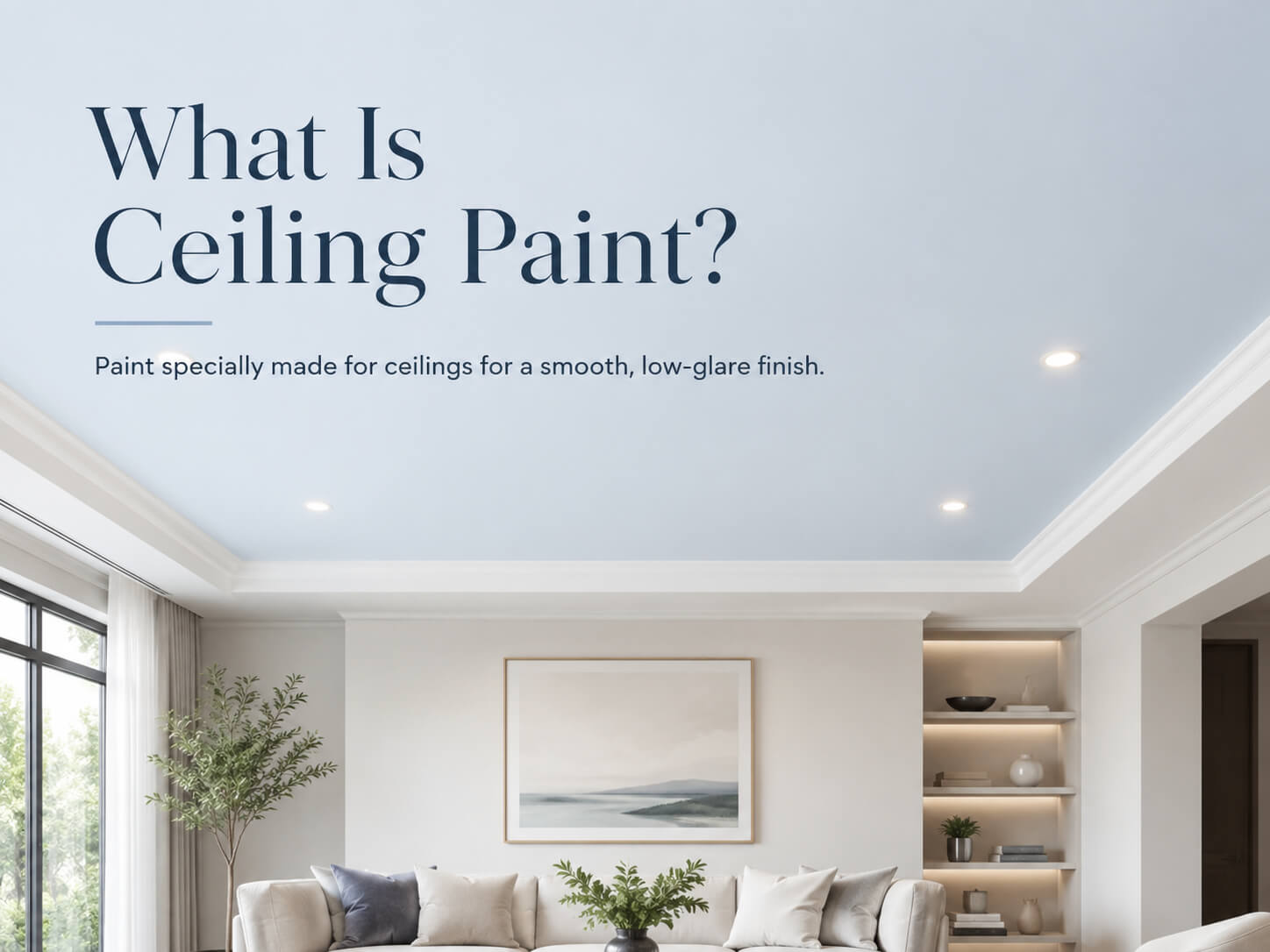
Ceiling paint is a specially formulated interior paint designed exclusively for ceilings. It has a thicker consistency than standard wall paint, which helps reduce splatter and drips during application. Most ceiling paints feature a flat or matte finish that hides minor surface imperfections and minimises glare from natural and artificial lighting.
Because ceilings are not exposed to frequent touching or cleaning, ceiling paint prioritises smooth coverage and a uniform appearance rather than washability.
Key Features of Ceiling Paint
- Thick consistency for reduced dripping
- Flat or matte finish
- Hides ceiling imperfections
- Minimises light reflection and glare
- Excellent coverage with fewer coats
- Ideal for interior ceilings
What Is Wall Paint?
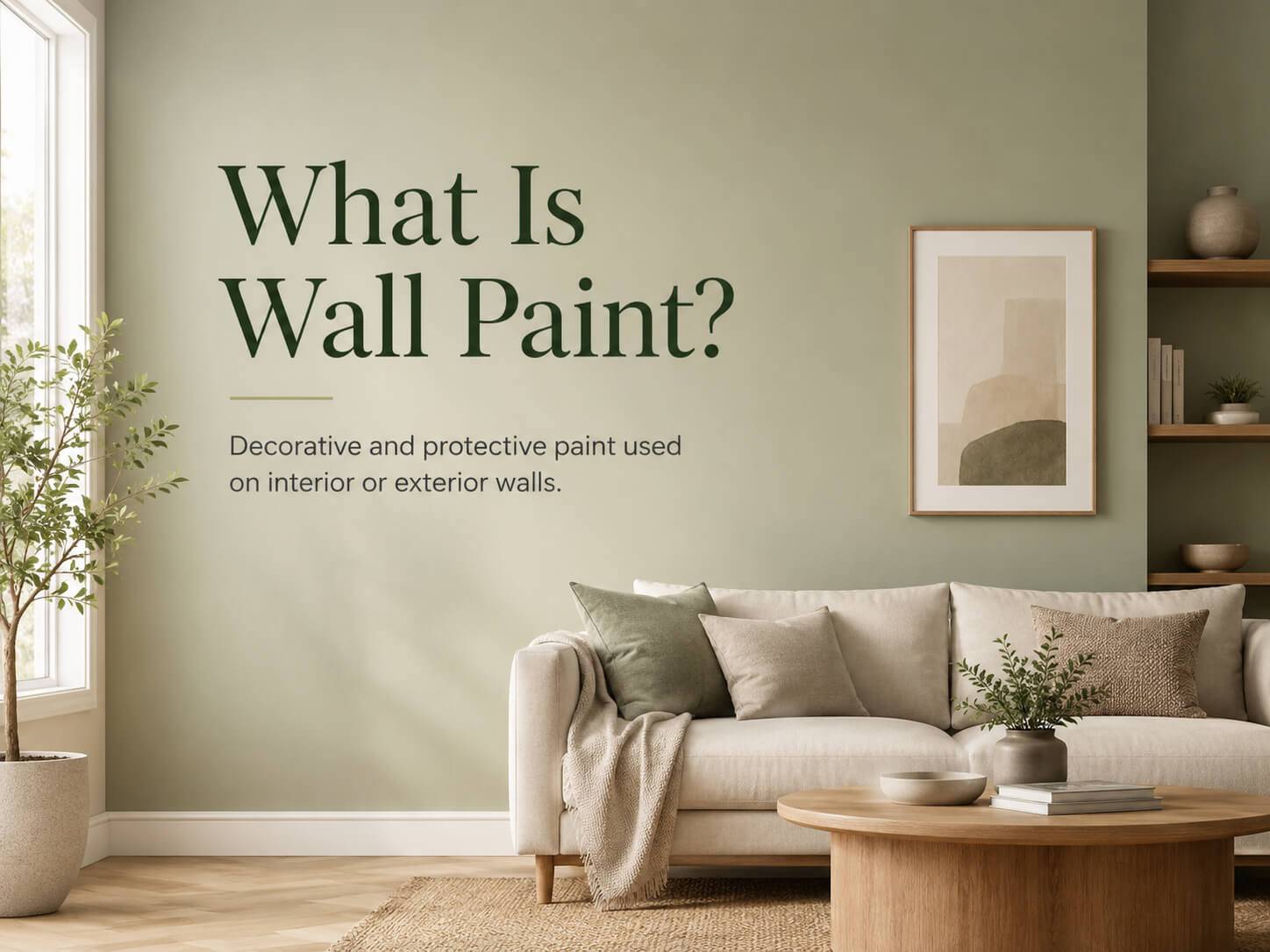
Wall paint is a decorative and protective coating formulated for interior and exterior walls. It is available in various types, including acrylic emulsion, plastic emulsion, washable paints, and premium interior coatings, offering excellent durability, stain resistance, and a wide range of colours and finishes.
Unlike ceiling paint, wall paint is designed to withstand daily contact, making it easier to clean and maintain while preserving its appearance over time.
Key Features of Wall Paint
- Available in thousands of colours
- Multiple finishes including matte, eggshell, satin, and gloss
- Washable and stain-resistant options
- Durable for everyday use
- Easy to clean and maintain
- Suitable for residential and commercial interiors
Ceiling Paint vs Wall Paint: Quick Comparison
| Feature | Ceiling Paint | Wall Paint |
|---|---|---|
| Purpose | Designed for ceilings | Designed for interior and exterior walls |
| Consistency | Thick to reduce drips | Smoother and easier to spread |
| Finish | Flat or Matte | Matte, Eggshell, Satin, Semi-Gloss, Gloss |
| Washability | Limited | Excellent (depending on paint type) |
| Stain Resistance | Moderate | High |
| Coverage | Excellent | Very Good |
| Durability | Good | Excellent |
| Light Reflection | Low | Depends on the finish |
| Colour Options | Mostly White and Light Shades | Wide Range of Colours |
| Best For | Interior Ceilings | Interior and Exterior Walls |
Pros & Cons of Ceiling Paint
Ceiling Paint Pros
- The thick formula reduces drips and splatter during application.
- Flat or matte finish hides minor surface imperfections.
- Excellent coverage with fewer coats.
- Minimises glare from natural and artificial lighting.
- Creates a smooth, uniform ceiling appearance.
- Ideal for most interior ceiling applications.
Ceiling Paint Cons
- Limited colour and finish options.
- Not designed for frequent washing or scrubbing.
- Lower stain resistance than wall paint.
- Unsuitable for high-contact surfaces such as walls.
Pros & Cons of Wall Paint
Wall Paint Pros
- Available in a wide variety of colours and finishes.
- Excellent durability for everyday use.
- Washable and stain-resistant options are available.
- Easy to clean and maintain.
- Suitable for both residential and commercial interiors.
- Can be used on different wall surfaces for a decorative finish.
Wall Paint Cons
- Thinner consistency can lead to drips when used on ceilings.
- Glossy finishes may highlight wall imperfections.
- Premium washable paints can be more expensive.
- Some colours may require multiple coats for complete coverage.
Ceiling Paint vs Wall Paint: Which Is Better for Different Areas?
Living Room
Living room ceilings benefit from flat ceiling paint that minimises glare, while walls look best with durable, washable emulsion paint.
Best Choice: Ceiling Paint for the Ceiling + Washable Wall Paint for Walls
Bedroom
A matte ceiling creates a soft, relaxing atmosphere, while premium wall paint offers a wide choice of calming colours and finishes.
Best Choice: Ceiling Paint + Interior Wall Paint
Kitchen
Kitchen ceilings require moisture-resistant ceiling paint, while walls should be coated with washable, stain-resistant paint that withstands grease and frequent cleaning.
Best Choice: Moisture-Resistant Ceiling Paint + Washable Wall Paint
Bathroom
Bathrooms experience high humidity, so both ceilings and walls should be protected with moisture-resistant, anti-fungal paint systems.
Best Choice: Moisture-Resistant Ceiling Paint + Waterproof Wall Paint
Office
Offices benefit from non-reflective ceilings and durable wall paints that maintain a clean, professional appearance with minimal maintenance.
Best Choice: Ceiling Paint + Satin or Matte Wall Paint
How to Choose Between Ceiling Paint and Wall Paint
Choosing the right paint depends on the surface, room conditions, and the level of durability required. Consider these factors before making your decision.
Surface Type
Use ceiling paint for overhead surfaces and wall paint for vertical walls. Each is specially formulated for its intended application.
Room Function
For kitchens, bathrooms, and other moisture-prone areas, choose paints that offer moisture and mildew resistance. Standard ceiling and wall paints work well in living rooms and bedrooms.
Paint Finish
Ceiling paint is typically available in a flat or matte finish to reduce glare, while wall paint comes in matte, eggshell, satin, semi-gloss, and gloss finishes for different design preferences.
Budget
Ceiling paint is often cost-effective for large ceiling areas, while premium wall paints may have a higher upfront cost but provide better durability and easier maintenance.
Latest Ceiling and Wall Paint Trends in 2026

The latest interior painting trends focus on clean aesthetics, durability, and sustainable finishes. Here are some of the top ceiling paint and wall paint trends in 2026.
Warm White Ceilings
Soft white and warm white ceiling paint remain the preferred choice for creating bright, spacious, and timeless interiors.
Matte and Ultra-Matte Finishes
Matte finishes are increasingly popular for both ceilings and walls because they provide a sophisticated appearance while hiding minor imperfections.
Washable Premium Wall Paints
Homeowners are choosing washable wall paint with stain-resistant technology for easier maintenance in living rooms, dining rooms, and children's bedrooms.
Eco-Friendly Low-VOC Paints
Low-VOC and environmentally friendly interior wall paints are gaining popularity due to improved indoor air quality and sustainable construction practices.
Accent Walls and Colour Blocking
Feature walls using bold colours or contrasting shades continue to be a major interior design trend, adding depth and personality to living spaces.
Common Mistakes to Avoid When Choosing Ceiling and Wall Paint
Selecting the right ceiling paint and wall paint is just as important as choosing the right colour. Avoid these common mistakes to achieve a durable and professional-looking finish.
Using Wall Paint on Ceilings
Many homeowners use wall paint on ceilings, but it can lead to drips, uneven coverage, and unwanted light reflection. Always use ceiling paint specifically formulated for overhead surfaces.
Choosing the Wrong Paint Finish
A glossy finish may highlight imperfections on ceilings, while the wrong finish on walls can affect durability. Flat or matte finishes work best for ceilings, whereas wall paint is available in matte, satin, eggshell, and gloss finishes.
Skipping Surface Preparation
Painting over dusty, greasy, or damaged surfaces reduces paint adhesion. Clean the surface, repair cracks, and apply a suitable primer before painting.
Ignoring Room Conditions
Bathrooms and kitchens require moisture-resistant ceiling paint and wall paint to prevent mold, peeling, and mildew caused by humidity.
Ceiling Paint and Wall Paint Manufacturers and Suppliers on Tileswale
Finding trusted ceiling paint and wall paint manufacturers, suppliers, wholesalers, distributors, and exporters is simple with Tileswale. The platform connects homeowners, architects, builders, contractors, dealers, and interior designers with verified manufacturers across India.
Whether you're looking for interior ceiling paint, premium wall paint, washable emulsion paint, moisture-resistant paint, or decorative interior coatings, Tileswale allows you to compare products, browse catalogues, request quotations, and connect directly with reliable manufacturers for residential, commercial, and export projects.
Buy Best Ceiling And Wall Paint
Conclusion
Although ceiling paint and wall paint may appear similar, they are designed for different purposes. Ceiling paint provides excellent coverage, minimises glare, and reduces drips during application, while wall paint offers superior durability, stain resistance, washability, and a wider range of colours and finishes. Using the right paint for each surface ensures a professional finish and long-lasting performance.
If you're looking for trusted ceiling paint or wall paint manufacturers, suppliers, wholesalers, distributors, or exporters, Tileswale provides a reliable B2B platform where you can compare products, explore catalogues, request quotations, and connect directly with leading Indian paint manufacturers for residential, commercial, and international projects.
Frequently Asked Questions (FAQs)
1. Can I use wall paint on the ceiling?
Yes, but it is not recommended. Wall paint is thinner and may drip during application, while ceiling paint is specifically designed to provide better coverage and reduce splatter.
2. Can ceiling paint be used on walls?
Ceiling paint can be applied to walls, but it is generally not suitable because it has limited washability and lower stain resistance compared to wall paint.
3. Is ceiling paint more durable than wall paint?
No. Wall paint is usually more durable because it is designed to resist stains, scratches, and frequent cleaning.
4. What finish is best for ceilings?
A flat or matte finish is the most popular choice because it reduces glare and helps conceal surface imperfections.
5. Does ceiling paint require a primer?
New or repaired ceilings typically benefit from a primer before painting to improve adhesion and ensure a uniform finish.


Written By
Anand Bhoraniya
Research Specialist at Tileswale
Anand Boraniya is an Industry Specialist and Researcher at Tileswale, creating research-backed content that helps homeowners, architects, dealers, manufacturers, exporters, and importers make informed decisions. His articles provide valuable industry insights, market trends, and practical knowledge to help readers stay ahead in a rapidly evolving market.