

Top 10 Waterproof Flooring for Heavy Rainfall Areas (Rated)
When Water Won't Stop, Neither Should Your Floors
All right, slam the reality on the floor, not simply in the direction of it, in case you reside somewhere it does not rain but pours until it auditions to be involved in a monsoon musical, your flooring has been more than decorative. It has to be bulletproof... or rather waterproof. Soiled footwear, dripping pets, and of course, that unexpected water burst in the passageway, nowhere on your floor can look damp like you are about to see in magazines.
This guide isn’t just a list it's a quirky, slightly obsessive-rated breakdown of the top 10 waterproof flooring options that hold their ground (literally) in the wettest conditions. Uh-oh, no carpets pass the test. Shocker, right?
Will you roll out the red carpet? Scratch that. Are you ready to introduce the rainproof floors? Then it is time to get to it.
- Waterproof Vinyl Plank Flooring
- Waterproof Laminate Flooring
- Waterproof Vinyl Flooring Sheets
- Waterproof Bamboo Flooring
- Waterproof Hardwood Flooring
- Floor Epoxy Coating
- Polyaspartic Floor Coating
- Waterproof Outdoor Tiles
- Waterproof Kitchen Flooring
- Garage Floor Tiles
1. Waterproof Vinyl Plank Flooring (Rated: 10/10)
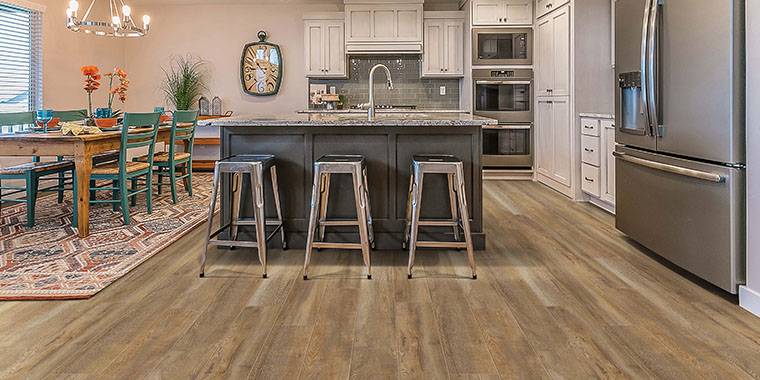
What makes it Work:
Vinyl plank flooring is the Beyoncé of the waterproof flooring world. It is fancy, rugged, and amazingly low maintenance. Whether you’re dealing with a splashing toddler or surprise monsoon leaks, waterproof vinyl plank flooring handles it all with a smile.
Suits: kitchens and bathrooms, living room even the balcony
Pros:
-
Easy to install
-
LVP waterproof flooring variants are super resilient
-
Feels like rough wood, yet does not ridicule water
Cons:
-
Becomes uncomfortable when you are standing on it, unless you can put a rug or underlayment on it
Fun Fact: You can install it over almost any existing floor (except shag carpet... don’t).
2. Waterproof Laminate Flooring (Rated: 9.5/10)
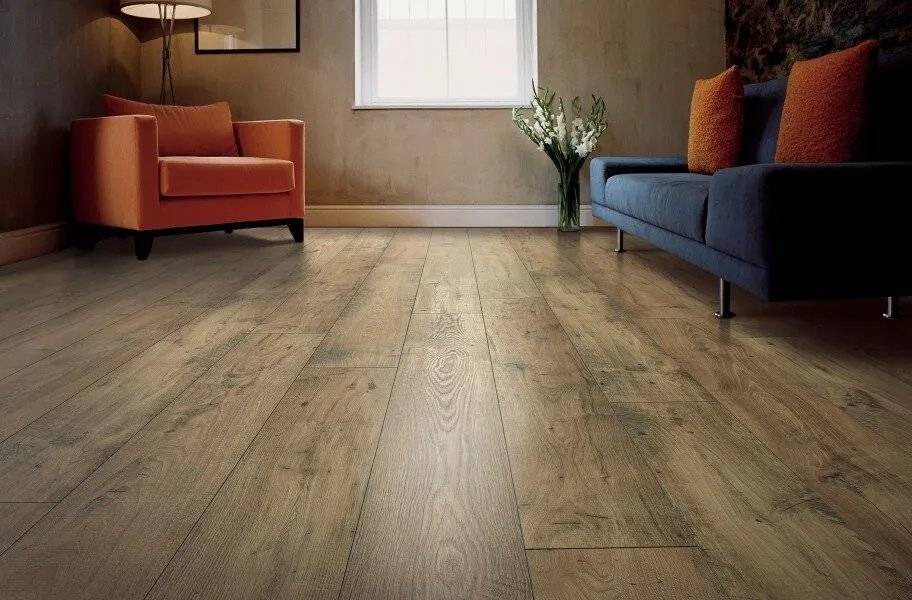
Why it rocks:
The traditional laminate flooring was reported to possess a bad reputation because it swells like a sponge every time there is any single drop of water. But today’s waterproof laminate flooring is a whole new breed. It is water friendly, look good and it is tough.
Best for: Hallways, bedrooms, and even laminate bathroom flooring (yes, really).
Pros:
-
It is available in truckloads of finishes
-
Budget-friendly
-
Simple click-lock setup
Cons:
-
Edges may still be vulnerable if installation isn't seamless
Rain Test: Stuck up at 8 hours of water exposure without complaint
3. Waterproof Vinyl Flooring Sheets (Rated: 9/10)
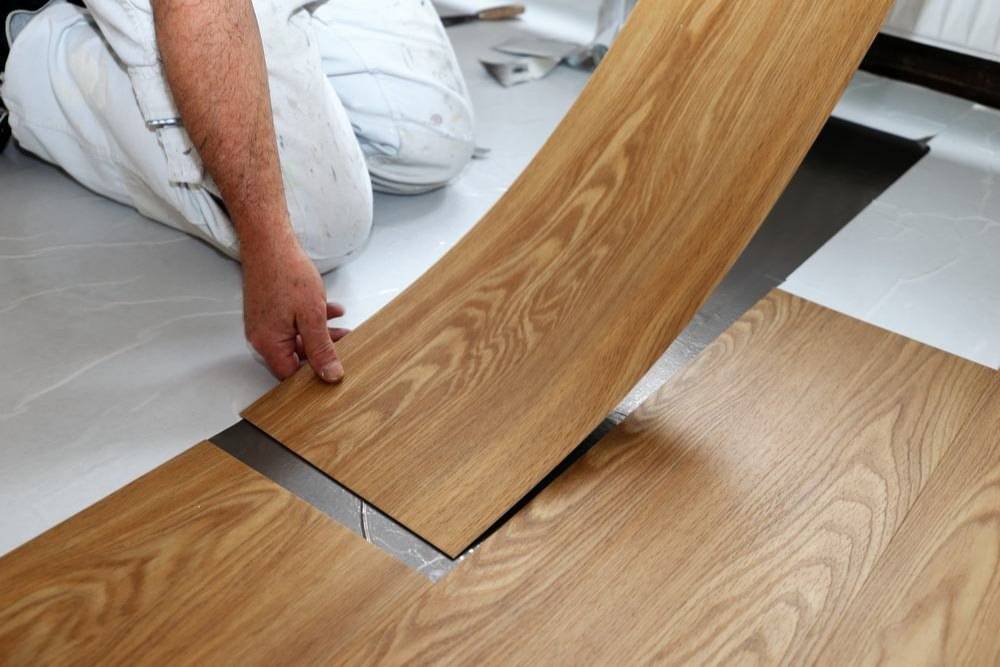
The importance:
-
Vinyl sheets may be your thing, should you want seamless coverage. They're one big waterproof barrier that laughs in the face of puddles.
Best for: Waterproof kitchen flooring, laundry rooms, and basements.
Pros:
-
Fewer seams, the lesser the chances of water sneaking in
-
Budget-friendly
Cons:
-
Tricky to DIY unless you're a vinyl Jedi
Bonus Note: Use it in combination with excellent underlayment to have that fluffy feeling.
4. Waterproof Bamboo Flooring (Rated: 8.5/10)
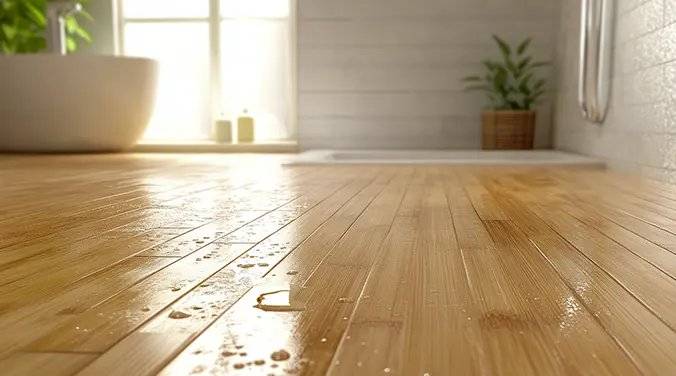
The ecowarrior option
Bamboo flooring isn’t just good for the planet, it’s also pretty good against water, provided you choose waterproof bamboo flooring (yes, that’s a thing!).
Suits: Eco-friendly homes, bedrooms, hallways.
Pros:
-
Sustainable
-
Beauty unique
-
Moisture resistant in nature
Cons:
-
Requires sealings
-
Seriously sensitive to high humidity in case of improper installation
-
First, not every bamboo flooring is waterproof. Check that label twice
5. Waterproof Hardwood Flooring (Rated: 8/10)
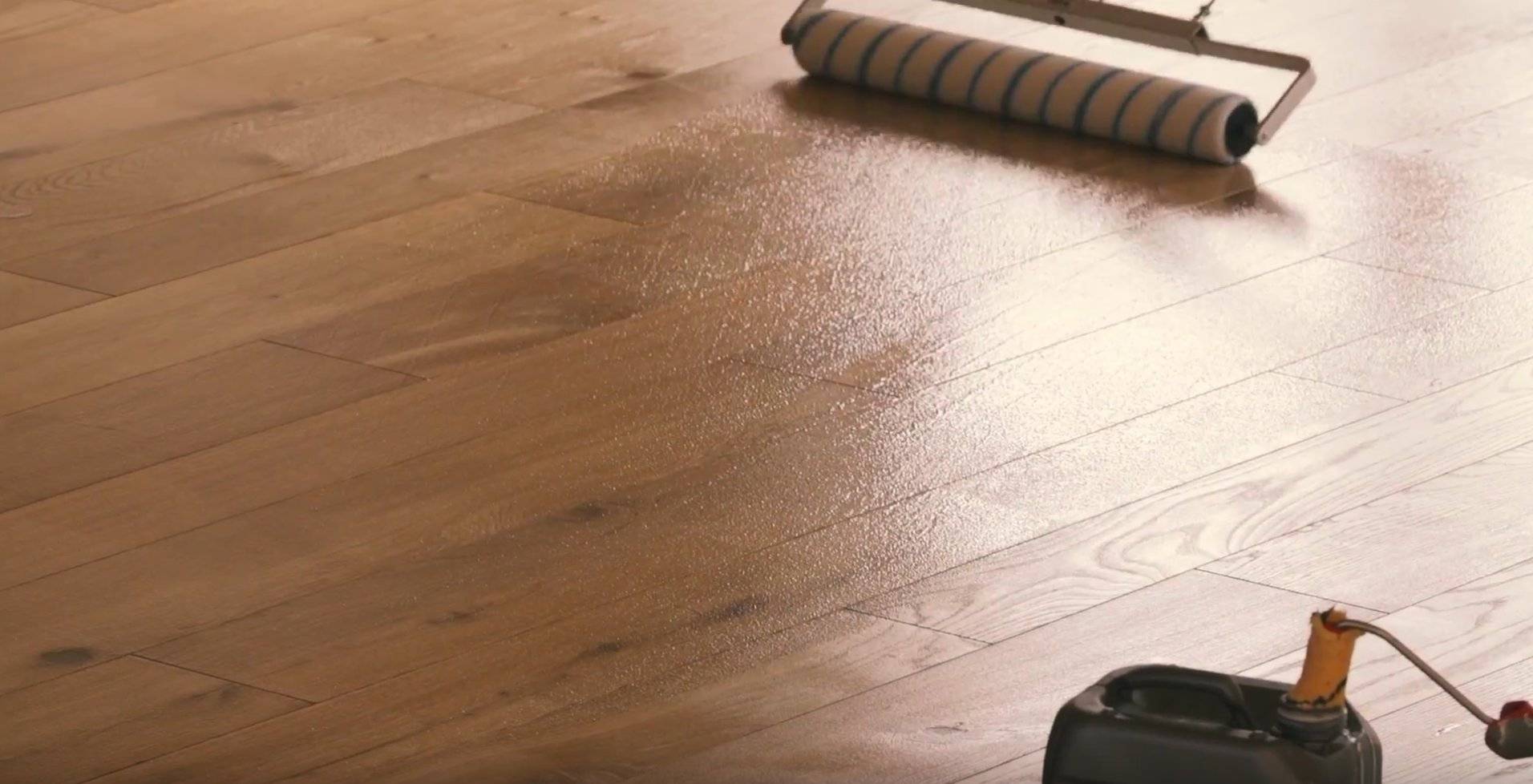
When you do not want to leave the wood look behind
Waterproof hardwood flooring is engineered to handle spills and splashes, though don’t expect it to survive a week-long flood.
Suitable in: Entranceways, living rooms, home businesses
Pros:
-
Real wood. Real luxury.
-
Water core technology
Cons:
-
Pricier
-
Not unbeatable, clean up spills immediately
Water Survival Rating: 8/10 on civilized wet, 3/10 in out-and-out flood areas.
6. Floor Epoxy Coating (Rated: 9/10)
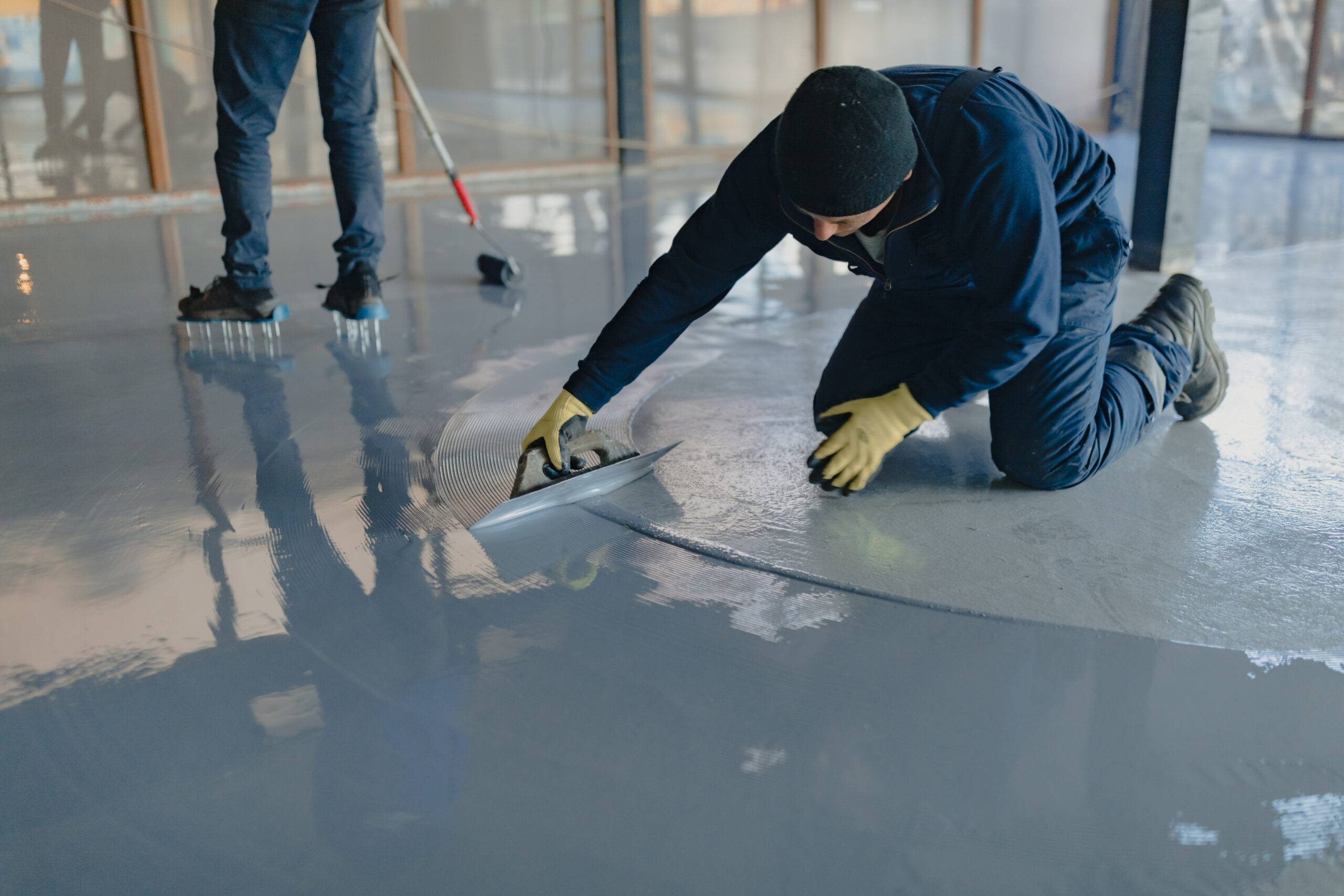
The garage king
Floor epoxy in essence is like armoured flooring. It's shiny, strong, and unapologetically industrial.
Best for: Garages, workshops, utility rooms, and waterproof basement flooring.
Pros:
-
Super durable
-
Easy to clean
-
Sleek and modern vibe
Cons:
Installation is a project (not DIY-friendly for newbies)
Water Game: It’s not just waterproof, it’s practically indestructible.
7. Polyaspartic Floor Coating (Rated: 9.2/10)
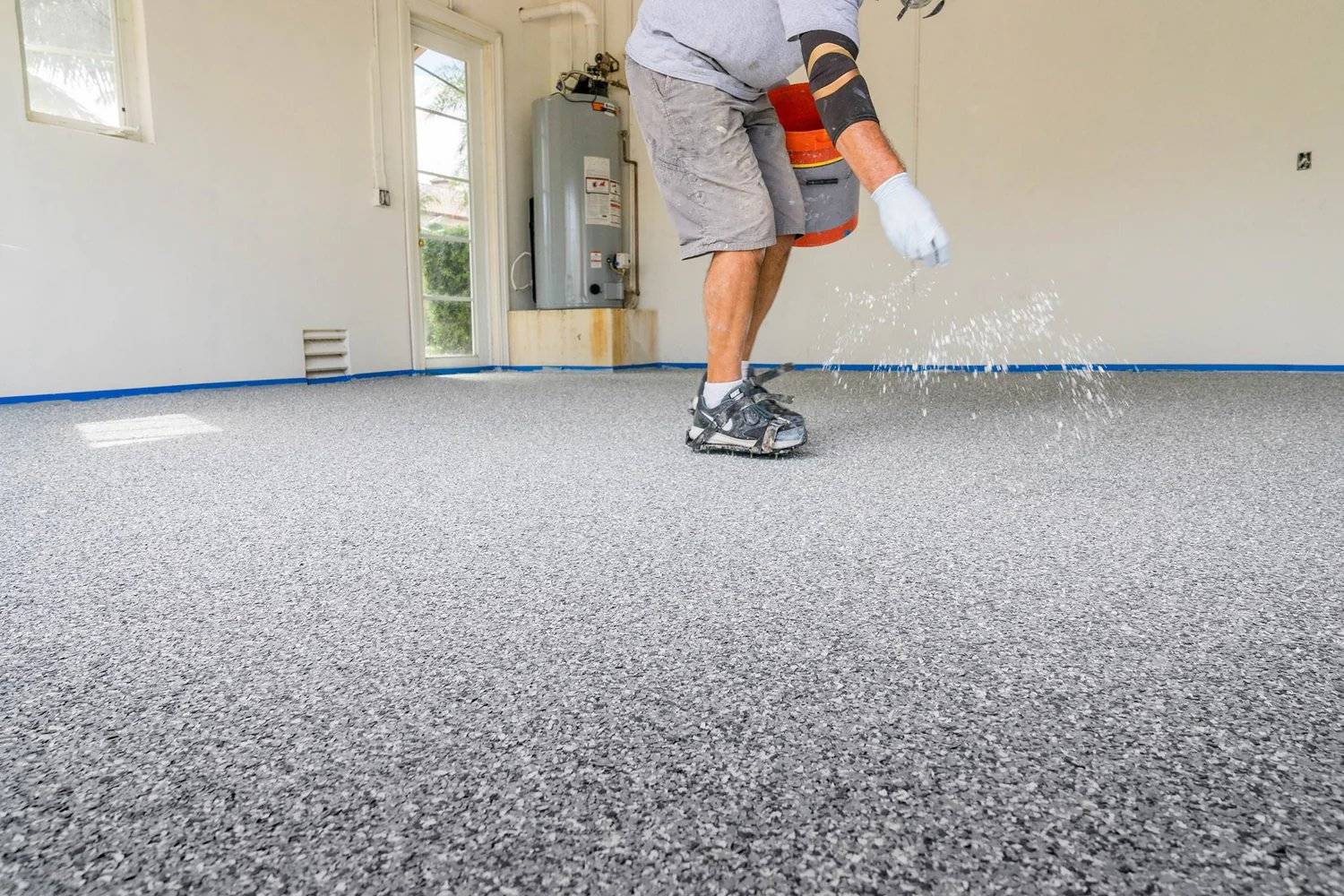
The fancy cousin of epoxy
Polyaspartic floor coating is cooler, newer, and dries much faster than epoxy.
Suitable in: Modern garages, commercial premises, patios.
Pros:
-
Chemical, UV, and, last but not least, water-resistant
-
Heals in a flash (speedy enough to be compared to superhero fast)
Cons:
-
A little bit higher in price as epoxy
-
A professional application is needed
Verdict: Snow Mania is a must if you are in the Forever Floor convoy.
8. Waterproof Outdoor Tiles (Rated: 9/10)
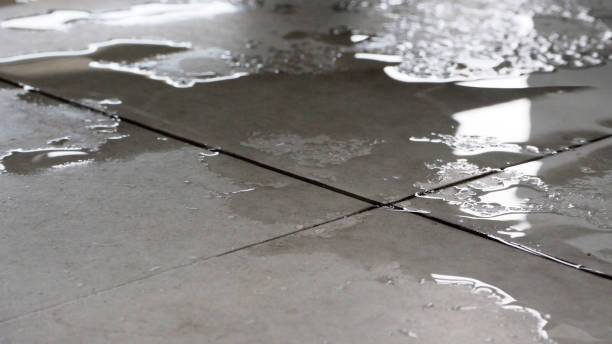
-
Pour it down. Your patio is ready.
-
Waterproof outdoor flooring doesn’t just have to be functional. It is not always ugly.
Ideal: Patios, balconies, gardens, pathways.
Pros:
-
Rainproof and waterproof
-
Fashionable type such as stone, porcelain, and ceramic
Cons:
-
Slick when moist without texture
Tile Talk: These commonly overlap with tile floor for a garage floor and tile at a garage floor. Dual-purpose win!
9. Waterproof Kitchen Flooring (Rated: 8.8/10)
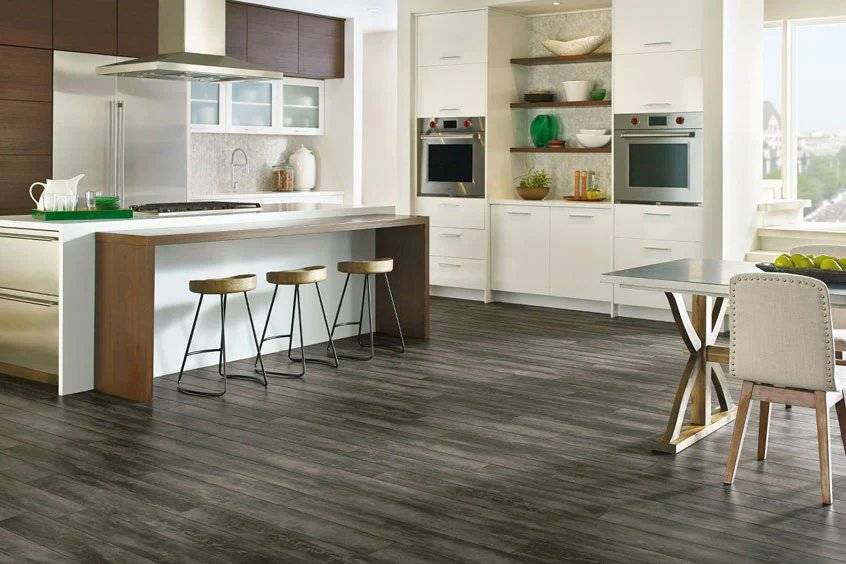
The reason is because kitchen = splash zone.
They are either wet battle fields like that boiling over pot or a wine glass spill. You must have flooring which can take a pounding.
Top picks:
-
LVP waterproof flooring
-
Waterproof vinyl flooring
-
Marble-look tile (bonus: extra classy)
Pros:
-
Cleaning: easy to clean
-
Puddle-proof
Cons:
-
Wet surfaces may be slippery when there is shine on them
Pro Tip: Use safety and style and add non-slip mats.
10. Garage Floor Tiles (Rated: 9/10)
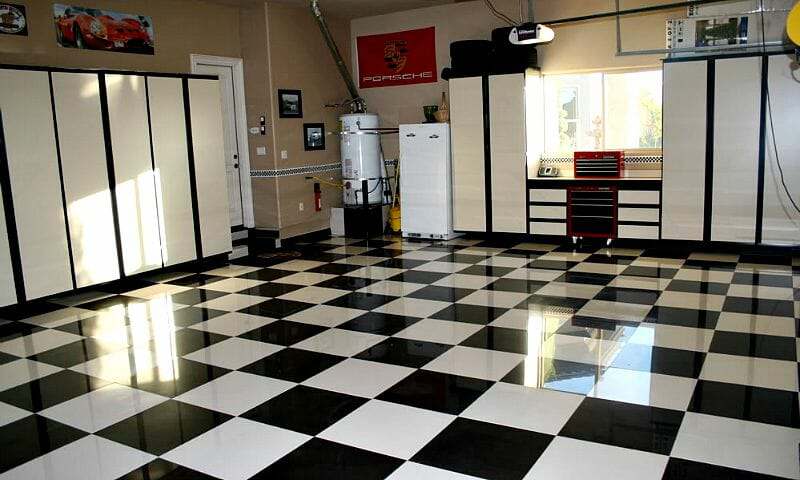
Garages are cool as well, indeed.
Garage floor covering tiles and garage tiles are heavy duty PVC or interlocking plastic. These are bad boys to handle tire pressure, oil spills and rainwater puddles.
Ideal spaces: Garages in the rainy region, home gyms, workmans.
Pros:
-
Interlocking = installation easy
-
Water-proof and durable
Cons:
-
May be noisy to walk on
Bonus: Lay with and under garage floor matting to seal mud and water.
Finale: It is Then the Time to Wrap It!
When you're dealing with heavy rainfall areas, regular floors are just asking for trouble. You require them in the form of surfaces that are not shy of moisture and are mopped up by them and yet not taking away the home-look of the place.
From laminate bathroom flooring to hex-tough garage tiles, the options are now as functional as they are fabulous. And hey, who says practical can't be pretty? Whether you’re going bold with waterproof vinyl plank flooring, earthy with bamboo, or futuristic with polyaspartic floor coating, just remember: Waterproof flooring isn’t a trend, it’s a smart investment.
Having problems with choosing the most suitable one? Tileswale has your back.
Shop, select and rain down. All your floors are ready.
FAQs About Waterproof Flooring
Q1: Is waterproof flooring really 100% waterproof?
Well, it is, and it is not. Most waterproof flooring options like LVP waterproof flooring, epoxy, and polyaspartic coatings are completely resistant to surface water. But no floor is flood-proof unless you're sealing every joint and corner.
Q2: Can I use waterproof laminate flooring in a basement?
Totally! However, it would be prudent to put a barrier of moisture underneath to keep it mould-free and squeaky clean in the long run.
Q3: Which type of flooring resembles real woods most of all?
Waterproof vinyl plank flooring and waterproof hardwood flooring are the closest bets. Even some tile which approximates wood grain is shockingly good.
Q4: What is the cheapest waterproof floor?
Vinyl sheet flooring or laminate bathroom flooring are your go-to choices if you want durability without draining your wallet.
Q5: Do floors need any special cleaning products in order to be waterproof?
Nope. By all means, avoid tough chemicals or steam cleaners where specified. Mild cleaner and a routine mop will make things glamorous.