


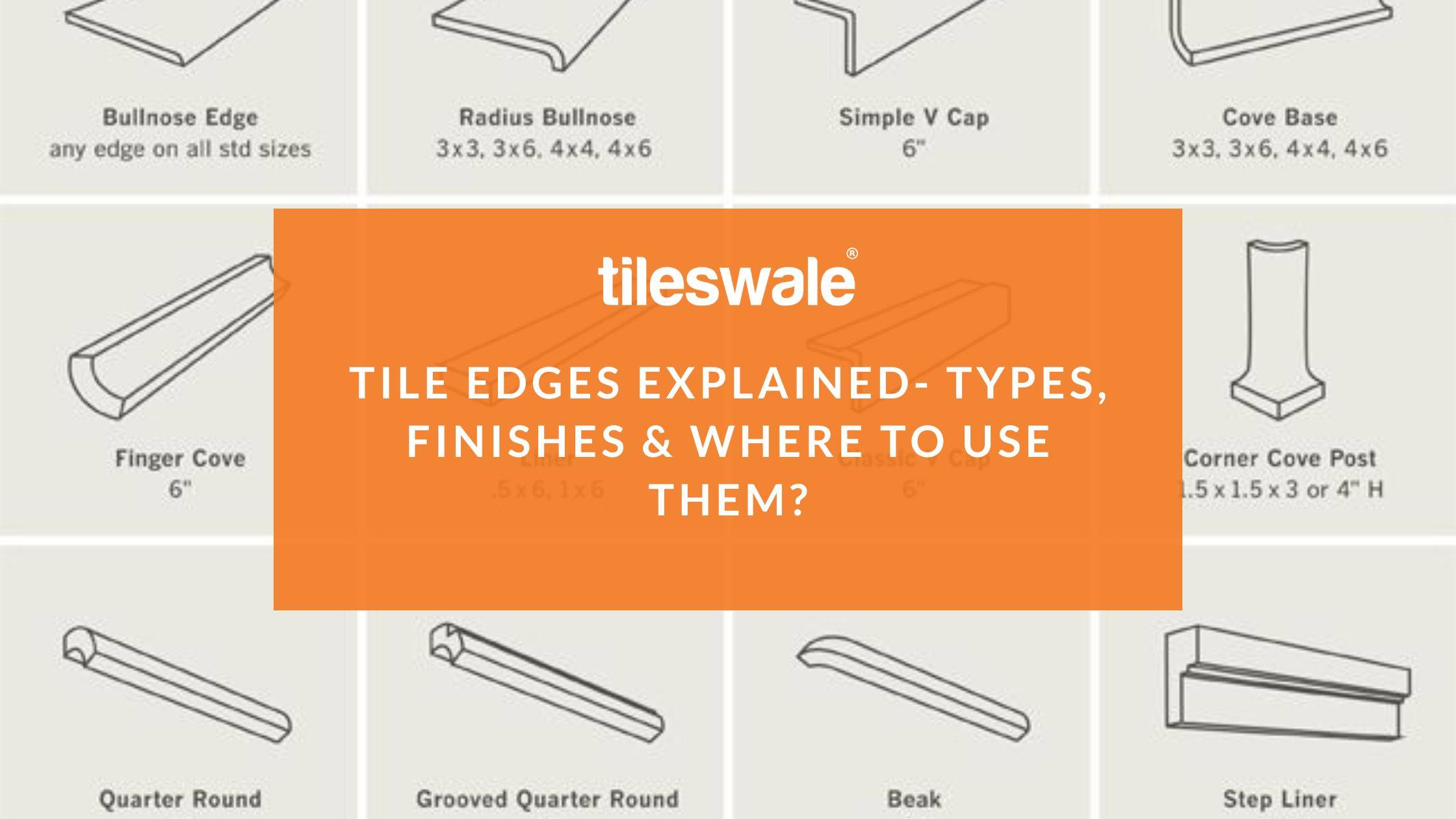
Tile Edges Explained- Types, Finishes & Where to Use Them
It’s All About the Edge
Okay, we all know that when we think tiles we picture colors, patterns and textures. But what about those sneaky, game-changing details called tile edges? They have the role of the punctuation in tile design. Underrate them and you may well find yourself with a floor that could be described as having mismatched socks.
Tile edges impact everything: alignment, aesthetics, functionality, and most of all, finishing. And no, they are not only about appearance. They influence the ease in cleaning it, the complexity in the installation procedure or even the way the tiles play with the light. Strap in and we will delve into the crazy zone of edges.
Straight vs. Not-So-Straight: Flavors of the Edges Unboxed
1. Straight Edges (Rectified Tiles)
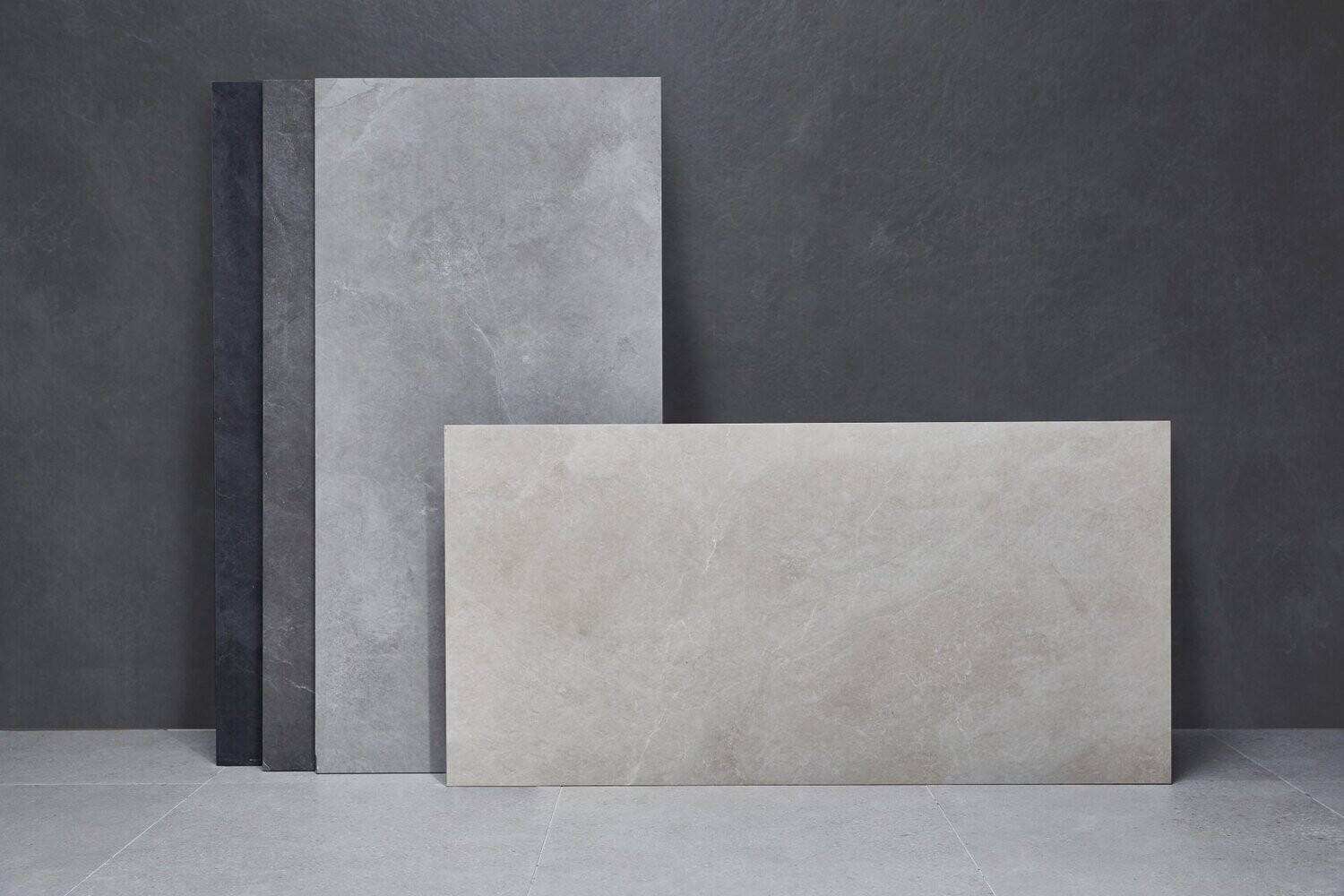
These are the straight and narrow idealists of the tile world. Rectified tiles are factory-ground to be perfectly square. Imagine clean edges, the minimum amount of grouting, and a shot that is ready to go onto the cover of a magazine.
Perfect for:
-
Big tiles
-
Contemporary, plain-looking rooms
Pros:
-
Seamless appearance
-
More compact grout lines
Cons:
-
Forgiving errors in installation is not its thing
They take that Pinterest-dream finishing into the home with a straight finish that would make a geometry teacher weep with joy.
2. Soft or Cushioned Edges
Cushioned edges are a bit softer on bare feet and round they are slightly more casual in look, too. They are a perfect match with homelike and informal atmospheres.
Common in:
-
Ceramic tiles
-
Low cost floor tiles
These edges are the slippers of the tile world, soft, and easy and reliable.
3. Beveled Edges
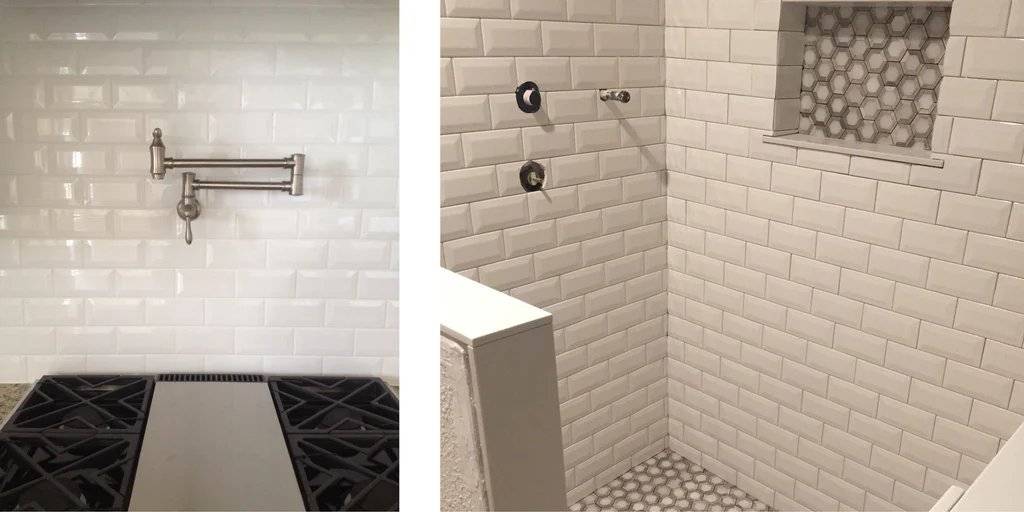
A bevel is what you have when you have a slanted edge on your tile. It makes a distinct line in between the tiles, extremely attractive in subway tiles and metro-style back splash.
Why love it?
-
Brings out additions to personalities
-
Aids at grout concealing
A good accent wall in a busy area or any place where shadows will provide the perfect touch of drama.
4. Bullnose Edges
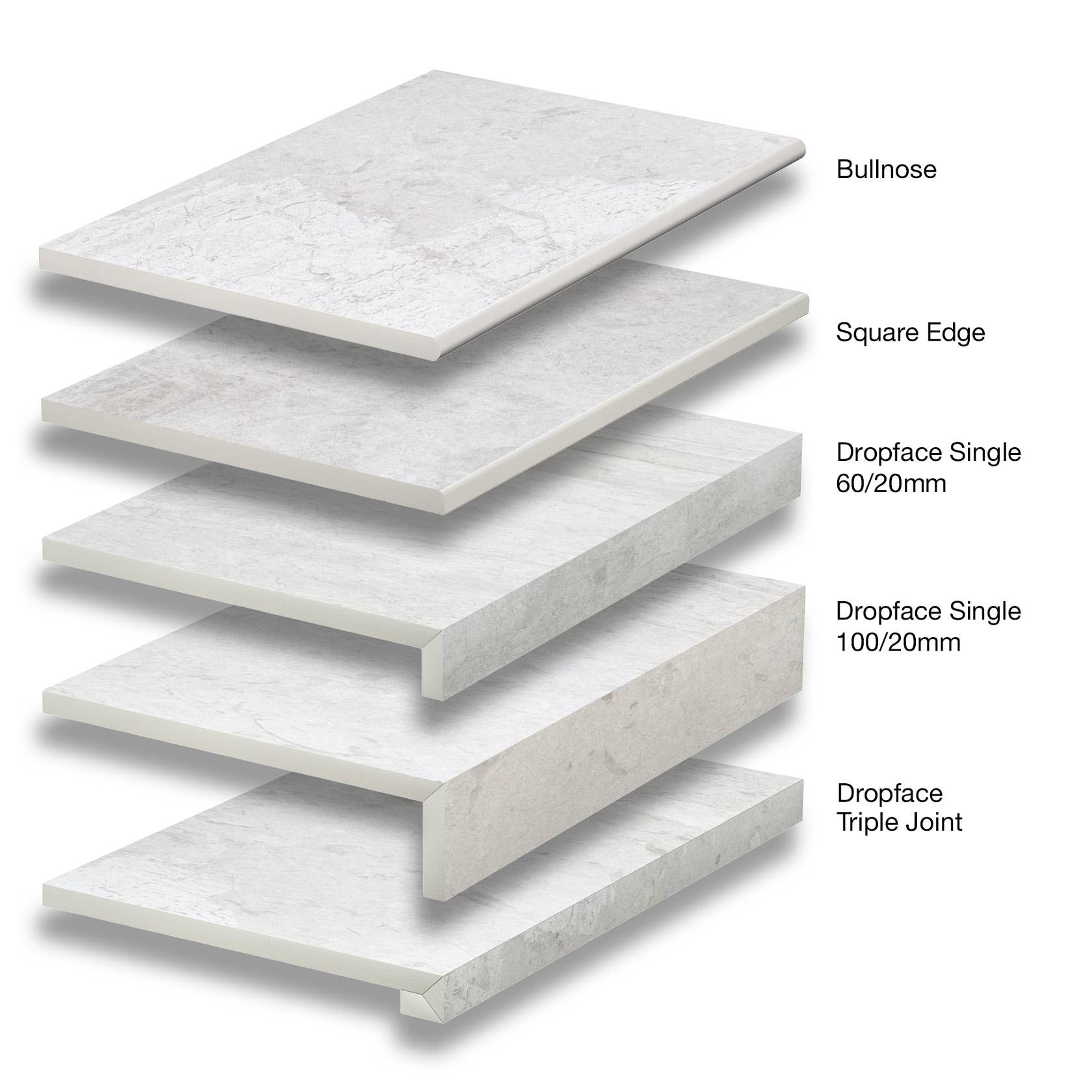
Classic and timeless, bullnose edges are rounded on one side and are the go-to finish for tile edges exposed to the world.
Popular in:
-
Trims on the bathroom tiles
-
Wall terminations
Apply it when you desire a clean finish and do not wish to install metal trims.
5. Chiseled Edges
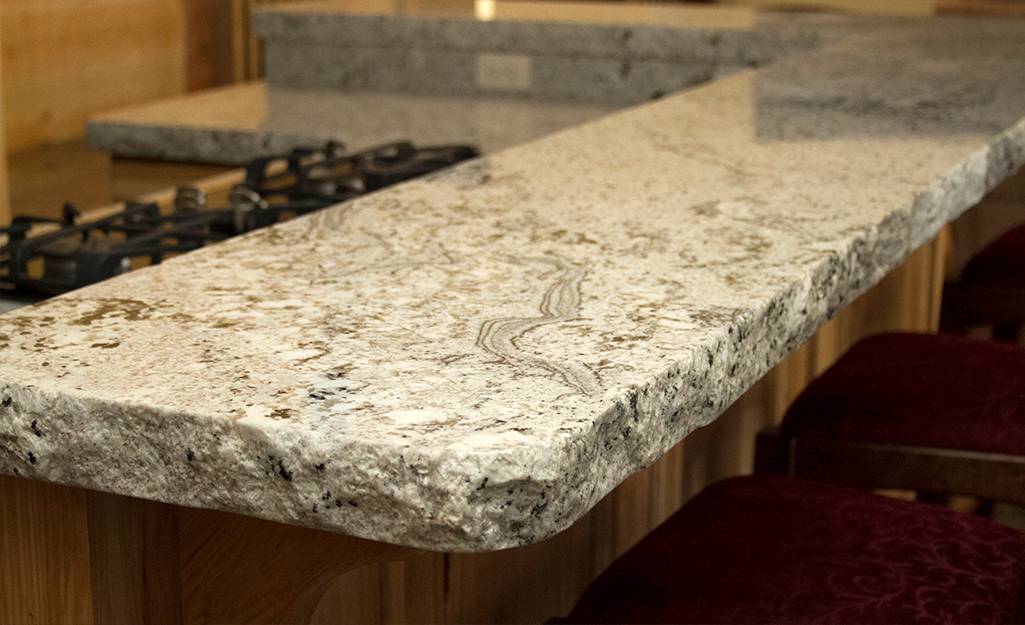
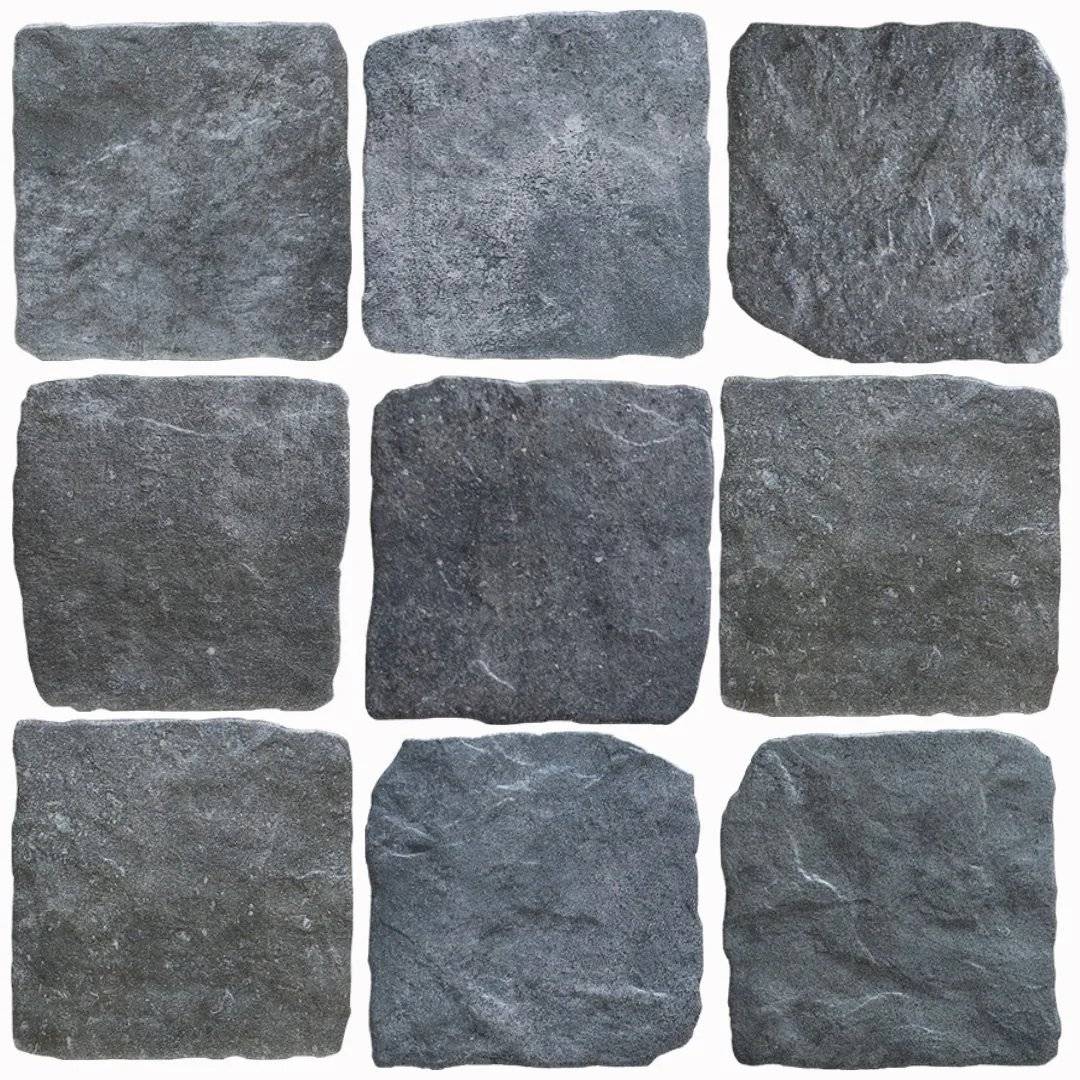
These will enhance texture and an antique appearance to the table. Chiseled edges mostly appear in natural stone tiles and exude rustic style.
Perfect for:
-
Courtyards
-
Rustic kitchens
-
Vintage vibes
They yell character, they are each a bit irregular, a bit unfinished, full of character.
6. Micro-beveled Edges
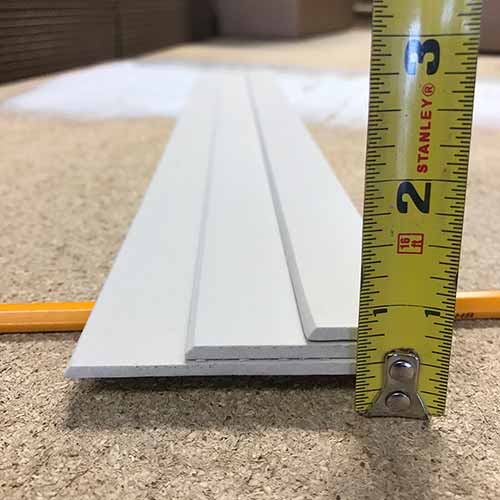
Not right, not beveled. They are in the Goldilocks mode. Often seen in luxury vinyl tiles (LVT) or engineered wood floors.
They are a small but significant building difference.
Tile Edge finishes (Glossy, Matte, or Honed) Decoded
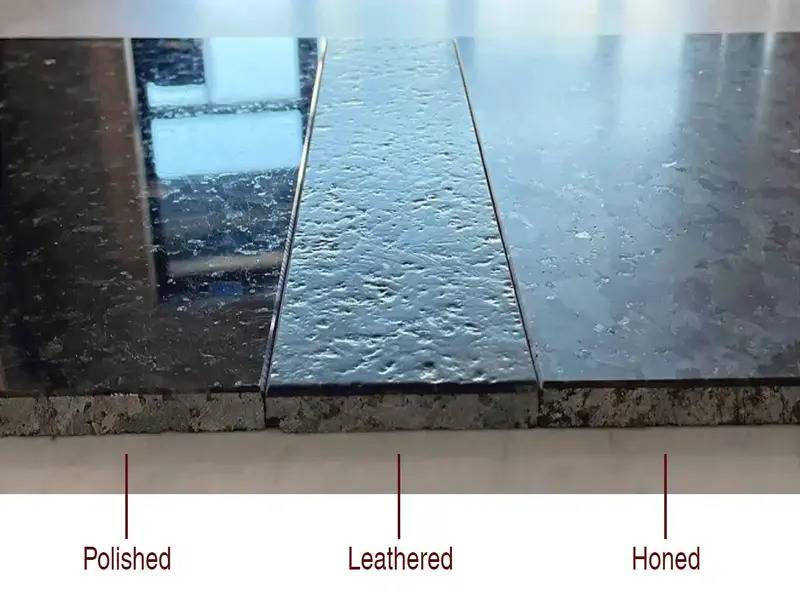
Tile edges aren’t just about shape; they've got personality, too. Enter: finishes.
1. Polished Edges
Shiny, reflective and among the favorites of high-end designers. Polished edges are scream glam especially in porcelain and marble tiles.
Location:
-
Living rooms
-
Hotel lobbies
-
Lux bathrooms
And watch out they are slimy when wet.
2. Honed Edges
These are not shiny, and have a muted charm. If you’re team "matte everything," this finish is your soulmate
Best for:
-
Contemporary homes
-
Non-slip surfaces
-
Also great in damp floors such as bathroom floors.
3. Tumbled Finishes
Spare, old fashioned, even somewhat scruffy. Tumbled edges are made by literally tumbling the tiles with stones and sand in order to wear them out.
Common with:
-
Stone mosaic Natural stone mosaics
-
They go well with earth color schemes.
4. Brushed Edges
Brushed edges are just right and sit between too shiny on polished and too dull on honed.
Gives a hint of elegance, particularly in:
-
Kitchens
-
Bedrooms
It is an easy texture detail that can change a place completely.
5. Chiseled Finishes
Combine texture with an edge (pun intended). These are not subtle but more dramatic.
Suited for:
-
Fireplaces
-
Outdoor patios
-
Feature walls
Where to Apply What: Room-by-Room Breakdown
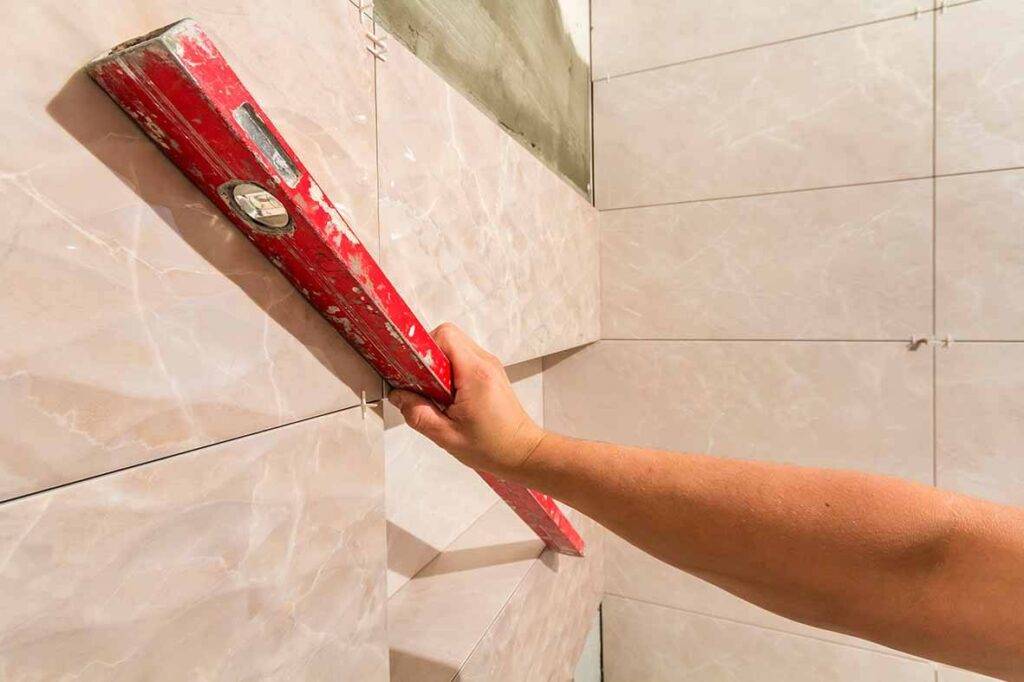
When it comes to tile edges, context is everything. These are the ways you could fit them to the space:
1. Bathroom
Best Edges:
-
Bullnose showers wall
-
Backsplash beveled
-
Honed for floors (non-slip!)
Why: Safety and hygiene. Toe stubs and accumulation of grime is avoided due to rounded edges.
2. Kitchen
Best Edges:
-
Beveled to make backsplashes which are easily wiped away
-
Smooth-topped, rectified countertops
-
Brushed or polished for flooring
Install trim pieces when you omit bullnose.
3. Living Room
Use your floor tiles to put a statement. Rectified tile edges work wonders here.
Pair with:
-
Large size porcelain
-
Wood-look tiles
A warm application of engineered tiles in micro-beveled tiles
4. Outdoor Spaces
In order to remain slip-safe use chiseled or tumbled edges with a textured surface.
Perfect for:
-
Garden paths
-
Outdoor kitchens
-
Decks and patios
5. Transitions & Staircases
They should have rounded bullnose edges that are necessary to ensure safety. Put in metal nosing strips to make it durable.
Also explore:
-
Tile trims
-
PVC edging strips
-
Groovy edge turns calls for Corner trims
Tips and Tricks to Installing Edge and Which Ones to Avoid
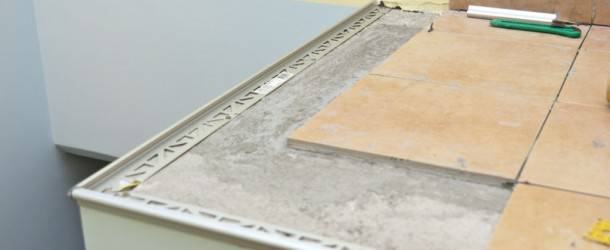
The tile edge looks great, but only as good as the way it is installed.
What should we do:
-
Material edge types should match the grout width
-
Finish of matching edges and finish of tiles
-
Tile spacers should be used to keep symmetry
What not to do:
-
Mix polished tiles with matte edges (visual clash!)
-
Do not treat exposed edges
-
Joint-free Forget
In case of uncertainty, always seek advice of a tiling specialist or install pre-formed edge trims.
Designer Takes: Match Edges to Tile Style
Everything that is a tile does not fit everywhere. Nor do the edges.
Subway Tiles
-
Bevel - couple it to contribute to the depth
-
Add contrasting metal trim
Mosaic Tiles
-
Installation of corrected or pads edges provides an installation which is seamless
Marble and Natural Stone
-
Honed/chiseled for that old-time effect
Ceramic vs Porcelain
-
Ceramic: Opt cushioned or bullnose
-
Porcelain: Square-shaped or smooth modern feel
Designer Hack: Use contrasting edge finishes to highlight transitions (like bathroom to bedroom or tile to wood).
Bullnose vs Trim: The never-ending dispute
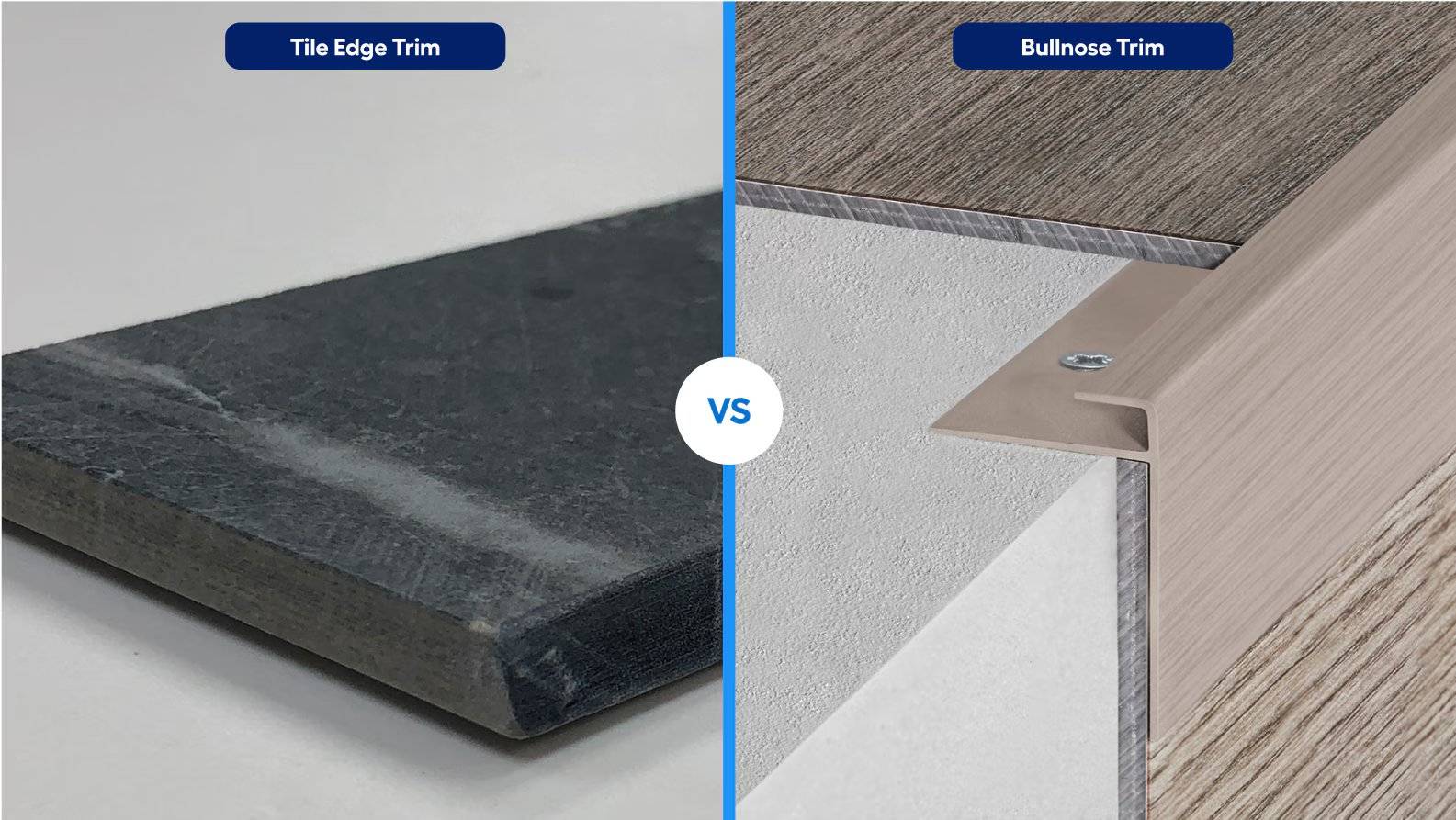
How indeed! The question of the century.
Bullnose:
-
Advantages: Smooth, tileable, soft finish
-
Cons: Only selective colors, it can be expensive
Trim Pieces:
-
Metal: Industrial, modern
-
PVC: Budget-friendly
-
Stone: Match with natural finishes
Ideal for:
-
Wall corners
-
Stair treads
-
Edges of the countertops
Bonus Tip: Use tile edging strips when your tile doesn't have a matching bullnose option.
Final Thoughts: Don’t Miss the Edge Talk
When it comes to tile design, the edge isn't just the end. The final detail is what makes a good or great installation.
Whether you're working with ceramic, porcelain, mosaic, or stone, choosing the right tile edge type and finish matters. It touches on the appearance, security, structure, and traffic in your area.
Feeling the need to have a white standard tile uplifted? Put a decorative metal edge. In search of a smooth movement of tile in to the wall? Choose a frosty bullnose. In the mood of going rustic outside? Your best friends are tumbled and chiseled.
And with brands like Tileswale giving you more trim and edge choices than ever before, there's really no excuse to settle for less. Bevel it, bullnose it, brush it, but don not neglect it.