


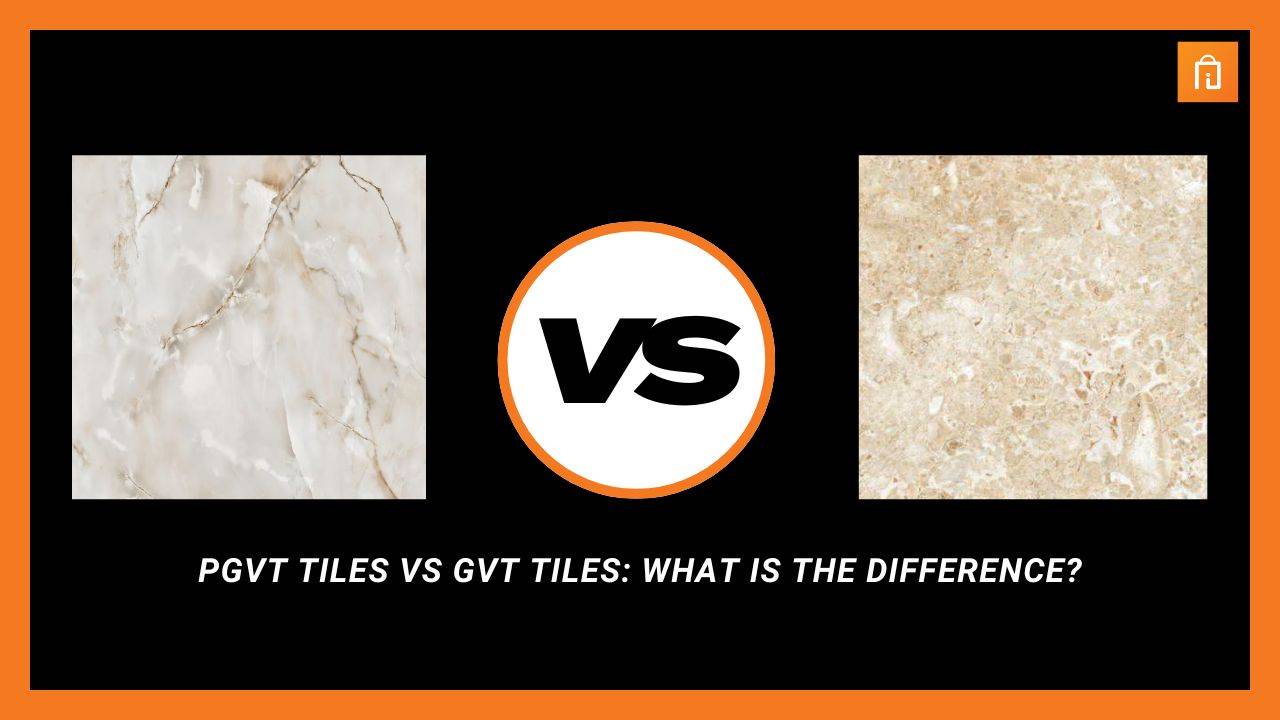
PGVT Tiles vs GVT Tiles: What is the Difference?
The Basics of GVT and PGVT
Tiles aren’t just there to be seen; they reveal their own stories in silence. With the many types of tiles on the market, these days GVT and PGVT are names that homeowners and architects must recognize. But what, exactly, are they?
GVT tiles, or Glazed Vitrified Tiles, are known for their glazed surface layer that allows for a variety of designs, textures, and finishes. On the other hand, PGVT tiles, or Polished Glazed Vitrified Tiles, take things a step further by adding a high-gloss polish over the glaze, giving them that mirror-like shine.
While both fall under the broader category of digital GVT tiles, the finish and application of each can lead to vastly different results in terms of aesthetics and functionality. Studying what makes them different isn’t only about being technically capable it also helps you choose better design solutions.
Exploring How Their Fields Vary
Let’s explore what makes these tiles different and why their features are important when choosing for your house or project.
1. Surface Finish
-
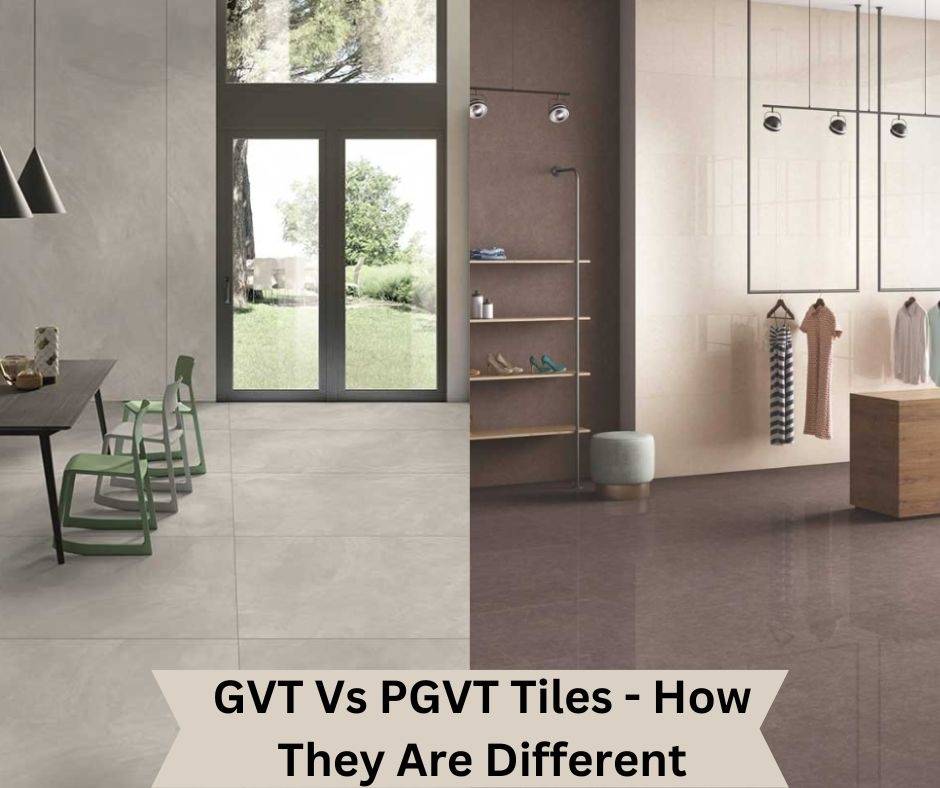
GVT tiles come with a matte, rustic, or textured finish. Because of their high slip resistance, these types are suited for both commercial and residential setting.
-
PGVT tiles are polished, often boasting a reflective, glossy finish. You can find vinyl flooring most often in in interior spaces, especially where style and sheen are more appreciated.
2. Appearance and Design Option
GVT and PGVT tiles both use digital printing technology. In other words, there are many possible designs, including styles that appear like marble, stone, wood and abstract. However, PGVT tiles usually focus on elegant, minimalistic, and polished visuals, while GVT tiles might lean more into textures and tactile finishes.
Designers love the 600x600 PGVT tiles for bathrooms and living spaces due to their symmetry and shine. Meanwhile, GVT tiles design options offer more variety for rugged applications.
3. How Long Does It Last & What Is It Used For
Because they are vitrified, both GVT and PGVT tiles are extremely strong and resistant to stains and water. But due to their different finishes:
-
GVT tiles are more forgiving in terms of scratches and stains, thanks to their matte texture.
-
PGVT tiles, while elegant, may show scratches and smudges more easily because of their glossy surface.
In high-traffic areas, GVT tends to be the go-to option, while PGVT is usually preferred in bedrooms, drawing rooms, and accent walls.
Which One Costs More?

Let’s talk numbers because budgets matter.
GVT tiles price tends to be more economical compared to PGVT. This is because the extra polishing layer and processes involved in PGVT tiles naturally increase their cost. When you check the GVT tiles price list at most retailers, you'll notice they’re priced lower, especially when bought in bulk.
However, PGVT tiles offer a more premium, luxurious look, and that polish does come at a price. Whether that cost is worth it depends on the type of space you're designing.
If you're working on a large-scale commercial project and cost-efficiency is crucial, GVT is a smart choice. But if you're designing a chic residential bathroom or an elegant living room, PGVT may be worth the extra spend.
Popular Sizes and Applications
One of the most in-demand formats for both GVT and PGVT tiles is the 600x600 PGVT tiles. They offer a balanced, square format that fits well in modern layouts, whether for floors or walls.
GVT tiles are widely used in shopping malls, restaurants, offices, and high-traffic spaces. Their textured finish offers better grip and wears better over time.
PGVT tiles, with their reflective polish, are often the tile of choice in residential interiors, feature walls, and even hotel lobbies.
How to Choose What’s Right for You
Still confused between GVT and PGVT tiles? Here are a few tips to help you decide.
Consider the Location
-
Wet or outdoor areas? GVT tiles win.
-
Indoor walls or low-footfall areas? PGVT offers elegance.
Think About Maintenance
-
GVT tiles are easier to maintain due to their resistance to visible marks.
-
PGVT tiles require a bit more care to maintain that glossy finish.
Budgeting Wisely
-
If you’re going all in on design but want to keep costs in check, use PGVT for highlights and GVT for the rest.
Pros and Cons: A Quick Recap
Pros of GVT Tiles:
-
Better slip resistance
-
Cost-effective
-
Durable in high-traffic areas
-
Wide range of designs and textures
Pros of PGVT Tiles:
-
High-end, polished look
-
Great for feature walls and luxurious interiors
-
Easy to clean with regular care
-
Uniform surface ideal for residential interiors
Cons of GVT Tiles:
-
Less shine and elegance
-
Not suitable for premium interior aesthetics
Cons of PGVT Tiles:
-
Higher price point
-
Can become slippery when wet
-
Scratches and smudges show up more
Final Thoughts: It’s All About Balance
When it comes to GVT and PGVT tiles, there’s no definitive winner only the right choice for the right space. Whether you love the matte sophistication of GVT or the polished elegance of PGVT, both options offer durability, design flexibility, and long-lasting beauty.
Use digital GVT tiles where creativity meets functionality. Go with PGVT when that extra sheen is worth it.
In the end, whether you walk on matte textures or glossy elegance, let the tile do the talking.
Looking for the latest GVT tiles design or updated GVT tiles price list? Head to Tileswale, where top brands meet local quality, and your tile journey begins with clarity and style.