


Laminate vs Veneer: Which Is Better for Modern Interiors?
Modern interior design is all about balancing aesthetics, durability, functionality, and budget. When selecting decorative surface materials for furniture, cabinets, wall panels, or wardrobes, two popular options often come into consideration: Laminate and Veneer.
While both materials are widely used in residential and commercial spaces, they differ significantly in appearance, durability, maintenance requirements, and cost. Understanding these differences can help homeowners, architects, interior designers, dealers, and distributors make informed decisions.
In this guide, we compare Laminate vs Veneer in detail to help you determine which option is best suited for modern interiors.
What Is Laminate?
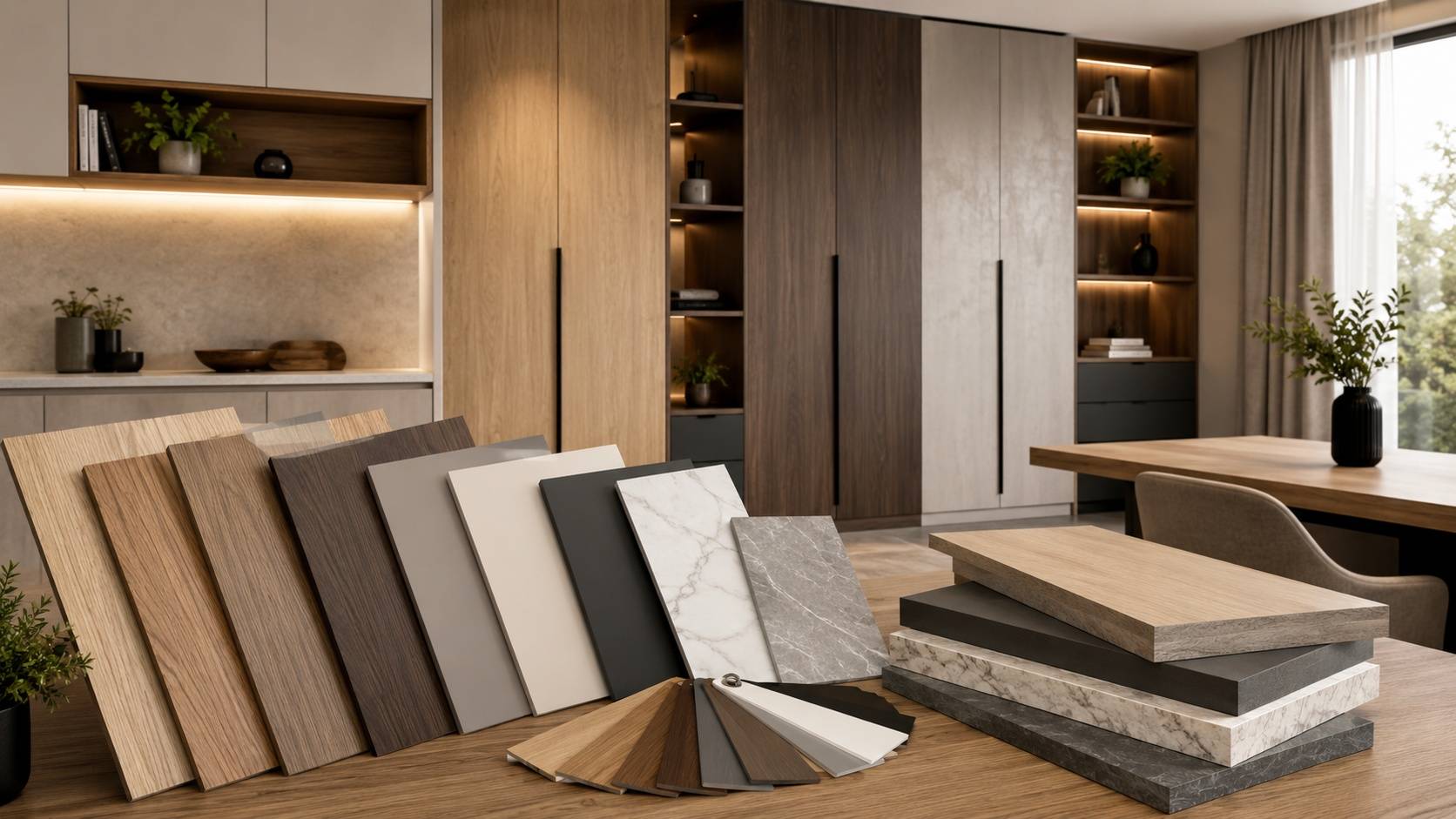
Laminate is a manufactured decorative surface material created by compressing layers of kraft paper and decorative paper under high pressure and temperature. The result is a durable and versatile surface available in numerous colors, patterns, textures, and finishes.
Today, many leading laminate manufacturers offer products that replicate wood, concrete, stone & marble, and abstract designs, making them highly suitable for contemporary interior spaces.
Why Is Laminate Popular in Modern Interiors?
Modern homes often prioritize functionality and low maintenance. This is where laminate excels.
1. Wide Design Selection
Modern laminate sheets are available in hundreds of designs, including wood textures, metallic finishes, stone effects, and contemporary patterns.
2. Better Resistance to Daily Wear
Many laminates offer excellent protection against scratches, stains, and impact, making them ideal for busy households and commercial spaces.
3. Easy Maintenance
One of the biggest benefits of laminate is simple maintenance and cleaning. Regular wiping with a damp cloth is usually sufficient.
4. Budget-Friendly Solution
For large-scale projects, wholesale laminate sheets for dealers and contractors provide an economical option without compromising appearance.
5. Moisture Resistance
Laminate generally performs better in moisture-prone areas, making it a popular cabinet finishing material.
What Is Veneer?
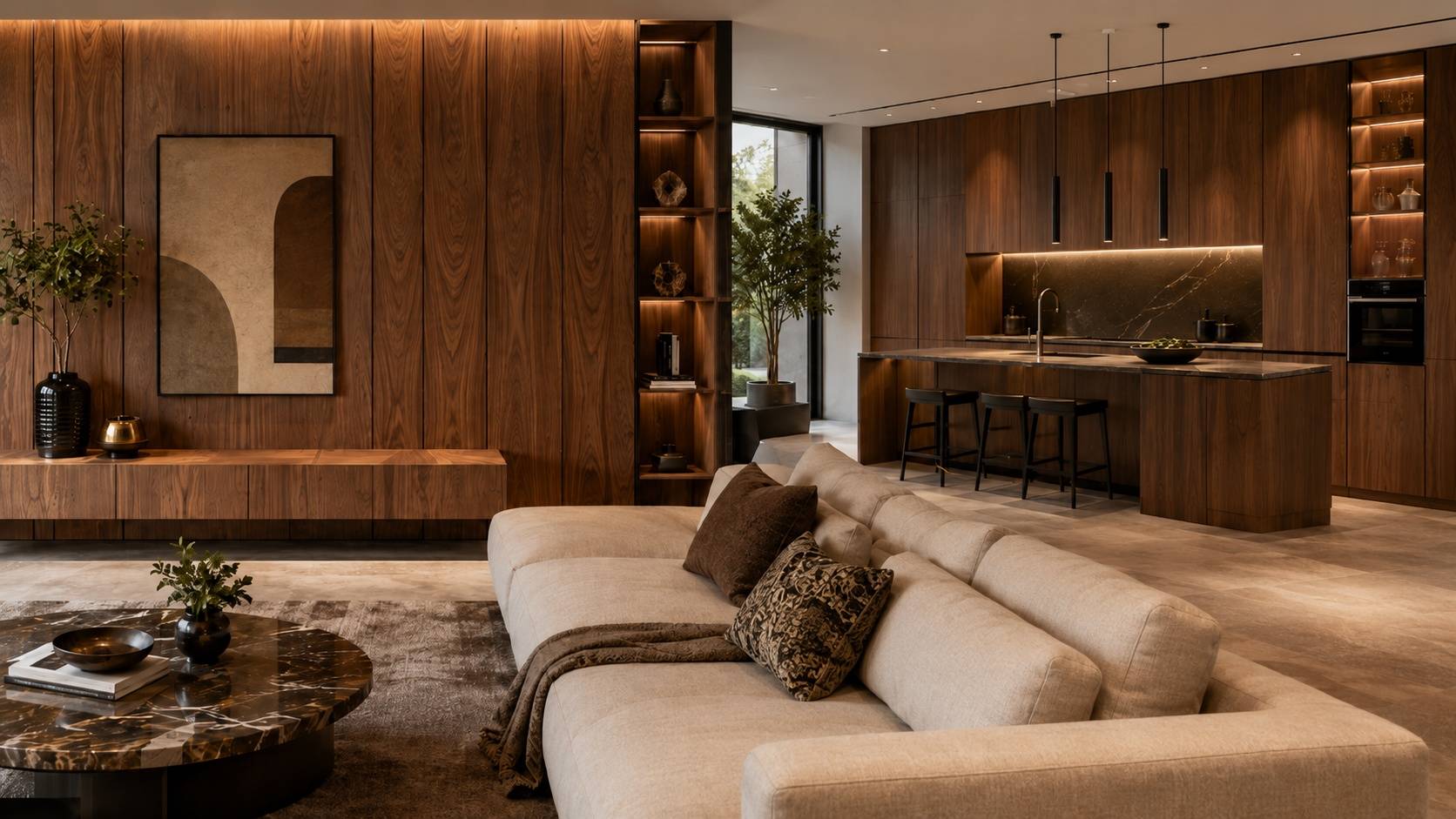
Veneer is a thin slice of natural wood obtained from timber logs and bonded onto engineered wood panels such as MDF boards, plywood, or particle board. Since it uses real wood, it preserves the authentic grain and texture of the original timber.
A reliable veneer supplier typically offers veneer sheets in various species such as oak, walnut, teak, ash, and maple.
Why Do Designers Prefer Veneer?
Veneer remains a preferred choice for premium interiors because of its natural beauty and timeless appeal.
1. Authentic Wood Appearance
Nothing replicates the elegance of genuine wood veneer. Each sheet showcases unique grain patterns and character.
2. Premium Interior Appeal
Luxury homes, hotels, and corporate offices often use veneer to create sophisticated interiors.
3. Refinishing Capability
Unlike laminates, veneer surfaces can often be sanded and refinished, extending their lifespan.
4. Sustainable Wood Utilization
Since a single log can produce multiple veneer sheets, veneer is considered an efficient way to maximize natural timber resources.
5. Increased Property Value
High-quality veneer finishes can enhance the perceived value of furniture and interior spaces.
Laminate vs Veneer: Key Differences
| Feature | Laminate | Veneer |
|---|---|---|
| Material Type | Synthetic decorative sheet | Natural wood layer |
| Appearance | Uniform patterns and textures | Authentic wood grain |
| Cost | More affordable | Premium pricing |
| Durability | Highly scratch resistant surface | Moderate durability |
| Maintenance | Easy cleaning and upkeep | Requires periodic care |
| Moisture Resistance | Generally better | Sensitive to moisture |
| Design Variety | Extensive options | Limited to wood species |
| Repairability | Difficult to repair | Can be refinished and restored |
| Lifespan | Long-lasting with minimal care | Long lifespan with maintenance |
Laminate or Veneer for Kitchen Cabinets: Which One Wins?
One of the most common questions homeowners ask is about laminate vs veneer for kitchen cabinets.
For kitchens, laminate is often the preferred choice because:
- It handles moisture better.
- It resists stains and scratches.
- It requires minimal maintenance.
- It is more budget-friendly.
However, veneer can be an excellent option for luxury kitchens where natural wood aesthetics are a top priority and proper maintenance is possible.
Best Laminate or Veneer for Furniture?
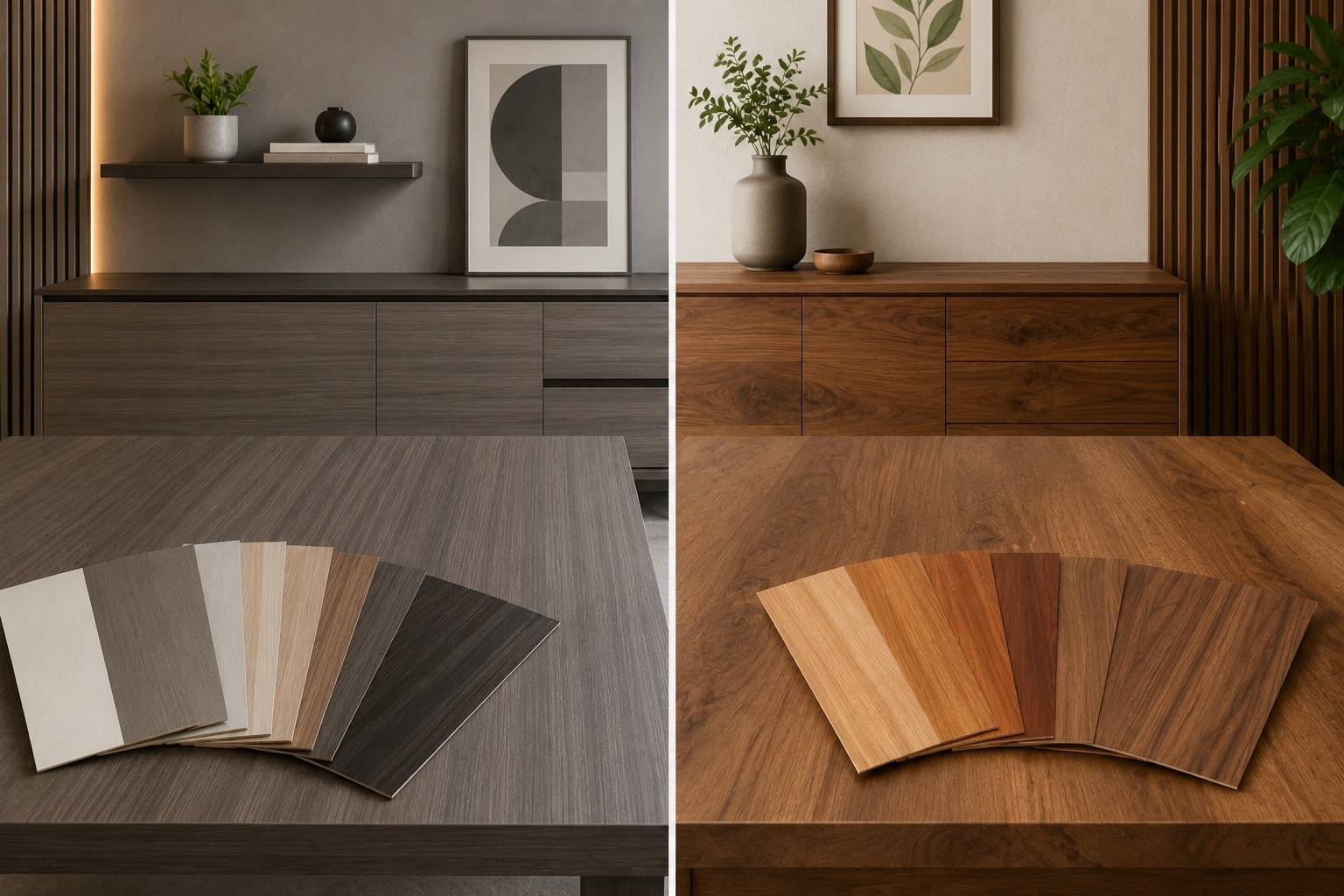
The answer depends on the intended use.
Choose Laminate If:
- You want a cost-effective solution.
- Durability is a priority.
- Furniture experiences heavy daily use.
- Easy maintenance is important.
Choose Veneer If:
- You prefer natural wood grain texture.
- Premium aesthetics matter most.
- You are designing luxury interiors.
- Long-term refinishing options are desired.
When evaluating the best laminate or veneer for furniture, balancing budget and design goals is essential.
Laminate Price vs Veneer Cost: Which Is More Affordable?
Generally, laminate is significantly more affordable than veneer.
Factors affecting laminate pricing include:
- Thickness
- Finish type
- Brand
- Surface texture
- Design complexity
Factors affecting veneer cost include:
- Wood species
- Grain quality
- Sheet size
- Availability
- Finishing requirements
When comparing laminate price vs veneer cost, laminate typically offers better value for budget-conscious projects.
How to Choose Laminate or Veneer for Your Project?
Consider the following factors before making a decision:
Budget: For cost-sensitive residential and commercial projects, laminate is usually the practical choice.
Aesthetic Goals: For premium and luxurious interiors, veneer delivers unmatched authenticity.
Maintenance Expectations: Laminate is ideal for users seeking low-maintenance furniture surface finishes.
Project Environment: Moisture-prone environments generally favor laminate.
Long-Term Value: Veneer may provide greater visual value in high-end projects.
Laminate and Veneer Design Ideas for Modern Interiors
Both materials can create stunning contemporary spaces.
Popular Laminate Design Ideas
- Matte wood finishes
- Marble-inspired surfaces
- Concrete textures
- Metallic accents
- High-gloss wardrobes
Popular Veneer Design Ideas
- Walnut feature walls
- Oak paneling
- Teak cabinetry
- Ash wood furniture
- Luxury bedroom headboards
These laminate and veneer design ideas for modern interiors help create spaces that are both functional and visually appealing.
What Should Dealers and Exporters Consider?
For distributors and international buyers, sourcing quality products is critical.
A trusted laminate manufacturer can provide consistent quality, customization options, and large-scale supply capabilities.
Similarly, a reputable veneer supplier for international projects ensures compliance with project specifications, wood sourcing standards, and delivery requirements.
Businesses involved in global trade often work with experienced veneer exporters and wholesale laminate suppliers to meet diverse market demands.
Buy Premium Laminate and Veneer
Conclusion
The debate between Laminate and Veneer ultimately comes down to priorities. If durability, affordability, moisture resistance, and low maintenance are important, laminate is an excellent choice. If authentic wood aesthetics, premium appeal, and long-term refinishing options matter more, veneer stands out.
Whether you're a homeowner, architect, contractor, dealer, or distributor, selecting the right decorative surface material can significantly influence the appearance and performance of your interiors.
At TilesWale, professionals can explore a wide network of trusted manufacturers, suppliers, exporters, and dealers for quality interior design materials, helping bring modern interior projects to life with confidence.
Frequently Asked Questions
1. Is laminate more durable than veneer?
Yes. Laminate generally offers better resistance to scratches, stains, and moisture, making it suitable for high-traffic areas.
2. Can veneer be used in kitchens?
Yes, veneer can be used in kitchens, but it requires proper sealing and maintenance to protect against moisture.
3. Which material looks more natural?
Veneer provides the most authentic appearance because it is made from real wood.
4. Is laminate cheaper than veneer?
In most cases, laminate is more affordable than veneer, especially for large-scale installations.
5. Which is better for modern interiors?
Both materials have advantages. Laminate suits practical and budget-conscious spaces, while veneer is ideal for premium and luxury interiors.


Written By
Anand Bhoraniya
Research Specialist at Tileswale
Anand Boraniya is an Industry Specialist and Researcher at Tileswale, creating research-backed content that helps homeowners, architects, dealers, manufacturers, exporters, and importers make informed decisions. His articles provide valuable industry insights, market trends, and practical knowledge to help readers stay ahead in a rapidly evolving market.