

Grohe vs Elkay Kitchen Sink: Material, Build & Cost Review
The selection of an appropriate kitchen sink may seem like a minor thing but it in fact has a greater influence on life than most people can notice. A properly built sink will help to facilitate the cooking process, ensure that the kitchen is cleaner and raise the overall appearance of the area. Grohe and Elkay are two of the brands that are trusted by one of the numerous brands available in the market. The two have sinks that are quality and durable but they have very different ways and styles.
This guide reviews their background, materials, quality of building, design, cost and actual performance. At the end, you will be able to understand which brand is more appropriate in your kitchen. It is not about choosing a winner, but it is about assisting buyers in making an informed decision.
About The Brands in Focus
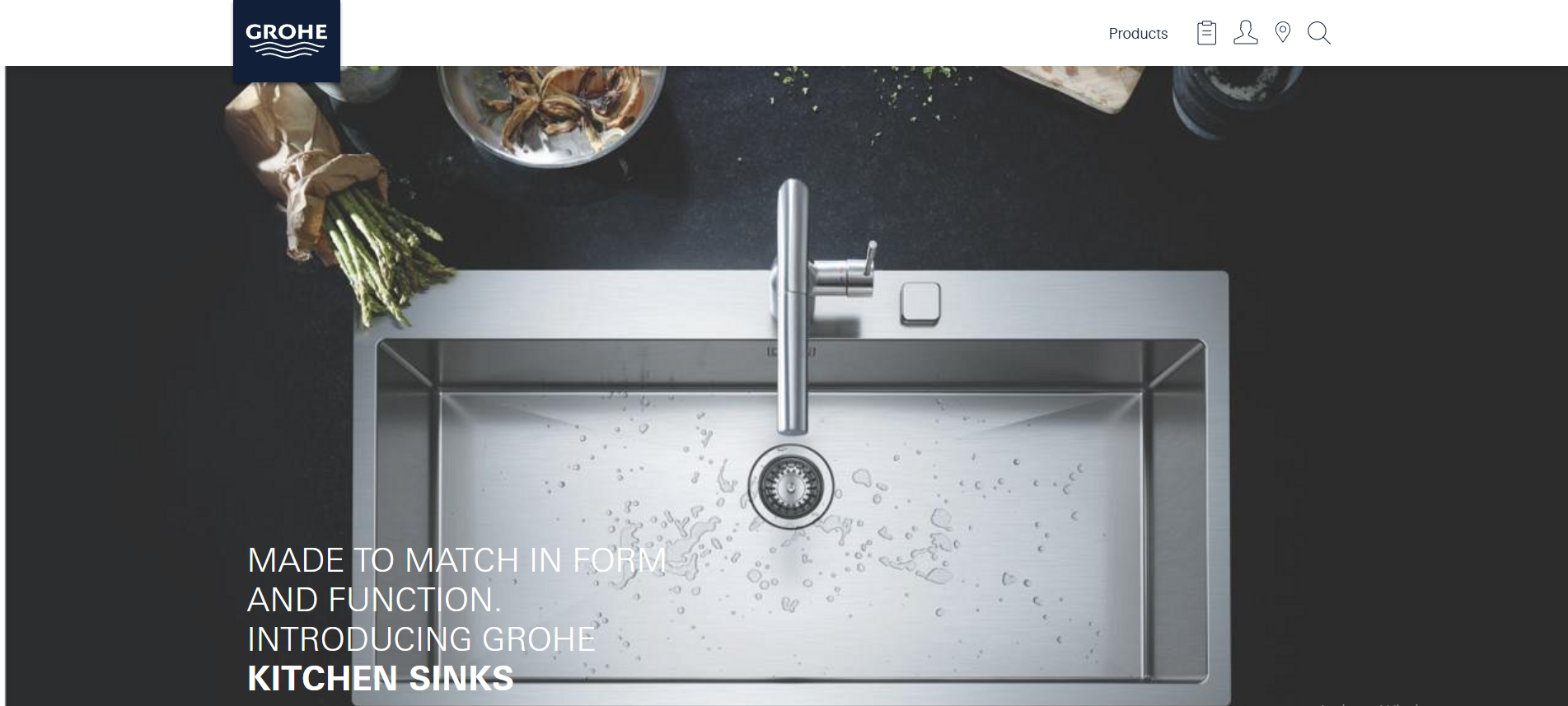
Grohe is the brand that is popular in the high quality bathroom and kitchen fittings. It is headquartered in Dusseldorf, Germany, and boasts great reputation in terms of products that are engineering-oriented. Grohe sinks would mostly be preferred in a house that desires a clean, contemporary, European appearance. The brand also spends a lot of money in water saving technology, surface protection and high precision craft. Grohe has spread its tentacle to a wide area in a number of decades and collaborates with retailers and distributors throughout the world.
On the other hand, Elkay was established in the United States. The company has its headquarters in Illinois and is among the largest stainless steel sink manufacturers in the world. Due to its many years in the American market, Elkay sinks are built to be used heavily every day. They are popular in residential, restaurant and commercial kitchens. Elkay is also well geared in production with a high rate of exportation of its sinks in numerous countries. The brand aims at functional functions, more bowl-like designs, and office-friendly planning.
Best Sink Materials from the Best in the Business

The issue of materials contributes significantly to the lifespan of a kitchen sink and its easy maintenance. Grohe primarily deals with stainless steel and composite. Grohe stainless steel is frequently coated with something anti-scratch and sound-dulling pad. Their composite sinks are designed to be stain and heat resistant and, therefore, can be used in modern houses. These materials have been chosen to bring out a sophisticated appearance which is synonymous with the high end design of Grohe.
Elkay has a reputation of having a wide selection of materials. The brand employs the various forms of stainless steel, such as thicker gauges that are more sustainable in heavy kitchens. Elkay also manufactures fireclay sinks as well as quartz composite sinks alongside stainless steel. Fireclay offers a traditional, sleek appearance and is appropriate in farmhouse kitchens, whereas quartz composite has a higher level of scratch resistance. Most of the Elkay sinks come with layers that are sound absorbing to ensure that there is less sound during the dishwashing.
The key material characteristics to be considered are some of:
-
Gauge and thickness of the metal.
-
The presence or absence of a sound-reducing layer in the sink.
-
Stain resistance and heat resistance.
-
Water mark resistant coating or surface finish.
All in all, Grohe makes its content choice easy and sleek, whereas Elkay provides a greater range of options to those homeowners who require a certain appearance or a particular level of performance. This ensures that the two brands are applicable in various kitchens.
Build Quality Review
The quality of the building defines the strength of the sink to be effective during several years of the washing process, cleaning, and everyday cooking. Grohe products have a reputation of having accurate lines, smooth surfaces and balanced design. Their sinks are pressed in many cases, and are made of one piece of stainless steel, aiding in the elimination of weak spots. Grohe is also concerned with establishing easy to clean surfaces. This is beneficial to the owners of homes who desire a cool and clean kitchen with minimum work.
Elkay is stronger and more structural-supportive. Several Elkay stainless steel sinks are welded on corners, rather than pressed. Welded corners enhance durability particularly when the sink contains more bowls. The Elkay sinks have also been created in such a way that they minimize dents which come in particularly handy in washing heavy pots or large utensils. Due to their heavier metal options, Elkay sinks have a tendency to be firm to touch.
Both brands are of high production and the two are also tested on durability. The distinction is in the result. Grohe has a light and contemporary touch having a polished finish whereas Elkay is more on heavy duty. Buyers inclined to the sink that can be fit into a sleek kitchen can incline towards Grohe and those that need to have a sink that can withstand the ongoing activity could go to Elkay.
Design and Functionality
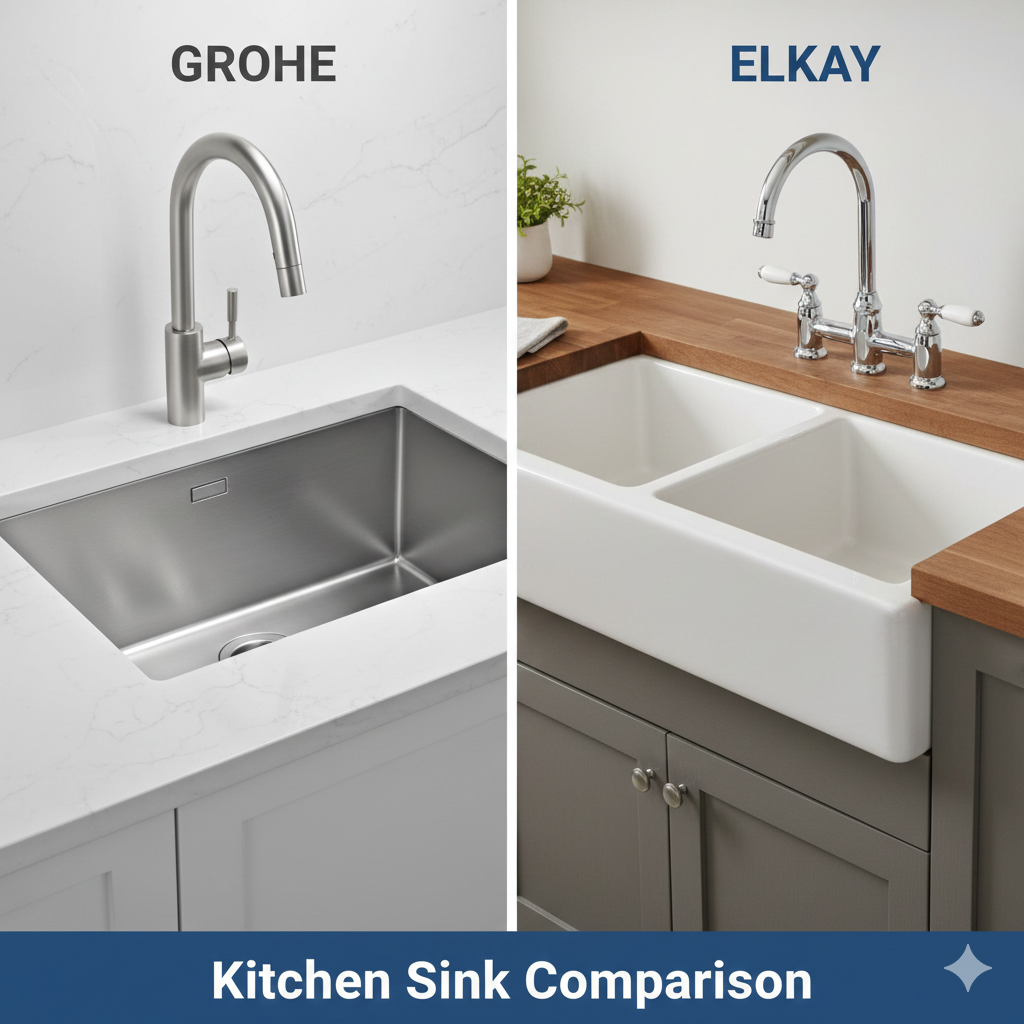
Kitchen sinks are no longer washing stations. They are integrated into the general kitchen design. Grohe is minimalistic, which means there are clean edges, smooth patterns, and finishes that are suitable in the European-style houses. Majority of Grohe sinks are made to form a harmonious look when paired with contemporary cabinets, countertops and appliances. Their color choice is also basic, typically within touching distance of silver and brushed steel as well as matte.
Elkay is more varied in shapes and styles of sinks. Deep single bowls, double bowls and workstation sinks are some of the most popular. Work station sinks come in handy since they provide in-built ledges of cutting boards and strainers. This can conserve space in the small kitchens. The sinks are also available in black, grey and fireclay, white among the contemporary colors of Elkay sinks.
Typical sink styles provided by the two brands are:
-
Undermount models
-
Top‑mount models
-
Farmhouse sinks
-
Square and round shapes of bowls.
Grohe is concerned with simplicity and rounded edges, whereas Elkay is inclined to the practicality of the product, which aids cooking. The range of deeper bowls and multi-function set ups that can be found in Elkay makes the brand highly attractive as an everyday use. Grohe sinks on the other hand usually give a polished appearance that would fit a home that is set to achieve a high-end interior.
Price and Cost Breakdown
One of the largest determinants that can be used to decide between Grohe and Elkay is price. Grohe sinks are mostly of premium category. They are also more expensive, as they are finely finished, of high grade steel, and highly engineered. Grohe products also include protective coatings and design features that keep them looking clean for longer, which adds value to the final cost.
Elkay, however, covers a wider price range. The brand offers affordable stainless steel sinks for budget-friendly kitchens, mid-range sinks with better durability, and premium sinks with workstation features. Elkay remains popular because it delivers strong build quality at competitive prices.
A few factors influence the cost of both brands:
-
Material type
-
Bowl depth
-
Size of the sink
-
Factory-made or handmade construction
-
Accessories included such as grids, drain covers, and cutting boards
-
Installation type, as undermount sinks often cost more to install
In simple terms, Grohe is ideal for buyers who want a stylish, premium kitchen sink and do not mind spending more. Elkay is a better fit for shoppers who want a strong and practical sink within a broader price range.
Performance Comparison
Performance is the true test of any kitchen sink. Grohe sinks are designed for smooth usage. Their surfaces help water flow easily, reducing leftover stains. Many Grohe models include sound protection pads that make washing dishes quieter. Because of their precise structure, Grohe sinks are less likely to trap dirt in corners. The lighter feel makes them more suitable for homes where cooking duties are moderate.
Elkay sinks are built for high activity. They often come with deeper bowls that allow users to wash large pots and pans comfortably. Their noise reduction technology is strong, especially in stainless steel models. The thicker metal surface helps reduce scratches and dents. Many Elkay sinks also include fast-drain designs that prevent water pools.
Here is a simple comparison table for a clearer view:
| Feature | Grohe | Elkay |
|---|---|---|
| Material Variety | High | Very High |
| Bowl Depth | Medium | Deep |
| Noise Reduction | Strong | Excellent |
| Price Range | Premium | Mid to Premium |
| Design Style | European | American Practical |
Final Buying Advice
Choosing between Grohe and Elkay depends entirely on your kitchen needs. If your kitchen carries a modern style and you prefer clean lines, light surfaces, and a premium look, Grohe is a strong choice. It works best in homes where the sink is part of the overall interior theme.
If you want a sink that can handle heavy use, deeper bowls, and practical features like workstation ledges, Elkay is the better option. Elkay suits families, restaurant-style kitchens, and homes where cooking happens often.
Both brands offer long-term durability, so the decision should be based on design style, daily workload, and budget.
Platforms like Tileswale make it easier to explore these options by connecting buyers with reliable kitchen sink suppliers, exporters, wholesalers, and manufacturers. Since it works as an online marketplace, users can compare prices, check product details, and explore multiple brands in one place.
In the end, both Grohe and Elkay deliver trusted quality. Your ideal choice depends on whether you value European elegance or American practicality. Either way, a well-selected sink can make your kitchen more useful, more attractive, and more enjoyable for years to come.